
Contents
- 🎯 Origins & History
- ⚙️ How It Works
- 📊 Key Facts & Numbers
- 👥 Key People & Organizations
- 🌍 Cultural Impact & Influence
- ⚡ Current State & Latest Developments
- 🤔 Controversies & Debates
- 🔮 Future Outlook & Predictions
- 💡 Practical Applications
- 📚 Related Topics & Deeper Reading
- Frequently Asked Questions
- References
- Related Topics
Overview
A bike share system is a shared transport service that provides affordable, flexible, and environmentally friendly transportation options for individuals. With the rise of dockless systems and mobile technology, bike share programs have expanded globally, offering a convenient and sustainable alternative to traditional transportation methods. Founded in the 1960s in Europe, bike share systems have evolved to include thousands of programs worldwide, with major players like Mobike and Lime leading the charge. As of 2022, bike share schemes were offered in approximately 1,000 cities, with over 10 million bicycles available for shared use. The impact of bike share systems on urban transportation is significant, with studies showing a reduction in traffic congestion and emissions, as well as increased mobility and accessibility for citizens. With the continued growth of bike share programs, cities are poised to become more sustainable, livable, and connected, as seen in cities like New York City and London.
🎯 Origins & History
The concept of bike share systems originated in the 1960s in Europe, with the first program launched in Amsterdam in 1965. The program, known as the 'White Bicycle' plan, was initiated by Luud Schimmelpennink, a Dutch activist who aimed to reduce traffic congestion and promote sustainable transportation. The program was later adopted by other European cities, including Paris and Berlin. Today, bike share systems can be found in over 1,000 cities worldwide, with major players like Mobike and Lime leading the charge.
⚙️ How It Works
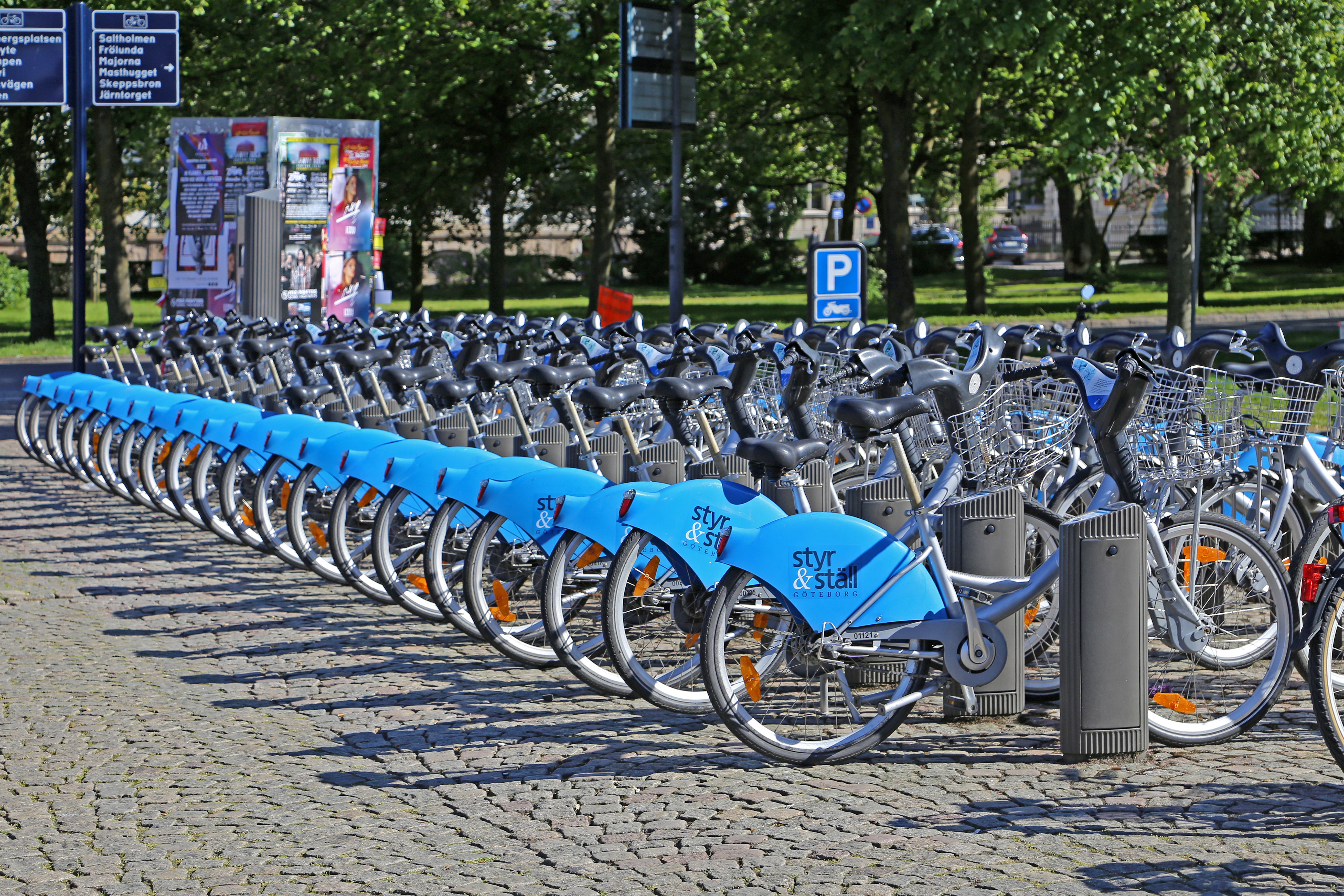
Bike share systems typically operate as either docked networks or dockless systems. Docked networks require users to rent and return bicycles to fixed stations, while dockless systems use mobile technology and GPS to enable more flexible pick-up and drop-off. The latter has become increasingly popular in recent years, with companies like Ofo and Hellobike offering dockless bike share services. For example, Uber has partnered with Jump to offer dockless bike share services in several cities, including San Francisco and Chicago.
📊 Key Facts & Numbers
As of 2022, there were approximately 10 million bicycles available for shared use in bike share programs worldwide. The largest bike share system is operated by Mobike, which has over 10 million bicycles in its fleet. Other major players in the industry include Lime, Ofo, and Hellobike. The global bike share market is projected to reach $5.5 billion by 2025, with an annual growth rate of 20%. Companies like Google and Facebook are also investing in bike share programs, with Google launching its own bike share program, Google Bike, in 2018.
👥 Key People & Organizations
Key people in the bike share industry include Luud Schimmelpennink, who initiated the first bike share program in Amsterdam in 1965. Other notable figures include Davis Wang, the founder of Mobike, and Toby Sun, the founder of Lime. Organizations like the National Association of City Transportation Officials (NACTO) and the League of American Bicyclists also play a crucial role in promoting bike share programs and advocating for cycling infrastructure. For example, NACTO has published guidelines for bike share systems, while League of American Bicyclists has launched a campaign to promote cycling safety.
🌍 Cultural Impact & Influence
Bike share systems have had a significant impact on urban transportation, with studies showing a reduction in traffic congestion and emissions. According to a study by the University of California, Berkeley, bike share programs can reduce traffic congestion by up to 10%. Additionally, bike share systems have increased mobility and accessibility for citizens, particularly in low-income communities. For example, the City of New York has launched a bike share program specifically designed for low-income residents, with discounted membership rates and accessible bike stations. The program has been successful, with over 10,000 members signed up in the first year.
⚡ Current State & Latest Developments
As of 2022, bike share systems are available in over 1,000 cities worldwide, with new programs launching every month. The latest developments in the industry include the introduction of electric bicycles and the integration of bike share systems with public transportation. For example, the City of London has launched a bike share program that allows users to rent electric bicycles, while the City of Tokyo has integrated its bike share system with its public transportation network. Companies like Uber and Lyft are also investing in bike share programs, with Uber launching its own bike share service, Uber Bike, in 2018.
🤔 Controversies & Debates
Despite the many benefits of bike share systems, there are also controversies and debates surrounding the industry. One of the main concerns is the issue of bike litter, with abandoned bicycles becoming a problem in many cities. Additionally, there are concerns about the safety of bike share systems, with some users reporting accidents and injuries. For example, a study by the National Highway Traffic Safety Administration found that bike share users are more likely to be involved in accidents than private bicycle owners. However, companies like Mobike and Lime are working to address these concerns, with initiatives such as bike maintenance programs and safety education campaigns.
🔮 Future Outlook & Predictions
The future of bike share systems looks promising, with predictions of continued growth and expansion. According to a report by Goldman Sachs, the global bike share market is projected to reach $10 billion by 2025. Additionally, there are predictions of increased integration with public transportation and the introduction of new technologies, such as autonomous bicycles. For example, Waymo has launched a self-driving bike share program in Phoenix, Arizona, while Uber has announced plans to launch a self-driving bike share service in San Francisco.
💡 Practical Applications
Bike share systems have many practical applications, including reducing traffic congestion and emissions, increasing mobility and accessibility, and promoting sustainable transportation. Additionally, bike share systems can be used for recreational purposes, such as bike touring and sightseeing. For example, the City of Paris has launched a bike share program specifically designed for tourists, with guided bike tours and bike rentals available. Companies like Airbnb are also partnering with bike share companies to offer bike rentals and tours to their users.
Key Facts
- Year
- 1965
- Origin
- Amsterdam, Netherlands
- Category
- technology
- Type
- concept
Frequently Asked Questions
What is a bike share system?
A bike share system is a shared transport service that provides affordable, flexible, and environmentally friendly transportation options for individuals. Bike share systems typically operate as either docked networks or dockless systems, with users able to rent and return bicycles to fixed stations or pick-up and drop-off locations. The first bike share program was launched in Amsterdam in 1965, and since then, the industry has grown to include thousands of programs worldwide, with major players like Mobike and Lime leading the charge.
How do bike share systems work?
Bike share systems typically operate as either docked networks or dockless systems. Docked networks require users to rent and return bicycles to fixed stations, while dockless systems use mobile technology and GPS to enable more flexible pick-up and drop-off. Users can rent bicycles using a mobile app, and return them to any available station or location. For example, Uber has partnered with Jump to offer dockless bike share services in several cities, including San Francisco and Chicago.
What are the benefits of bike share systems?
Bike share systems have many benefits, including reducing traffic congestion and emissions, increasing mobility and accessibility, and promoting sustainable transportation. Additionally, bike share systems can be used for recreational purposes, such as bike touring and sightseeing. According to a study by the University of California, Berkeley, bike share programs can reduce traffic congestion by up to 10%. Companies like Google and Facebook are also investing in bike share programs, with Google launching its own bike share program, Google Bike, in 2018.
What are the challenges facing the bike share industry?
The bike share industry faces several challenges, including the issue of bike litter and abandoned bicycles, as well as concerns about safety and the risk of accidents. Additionally, there are concerns about the impact of bike share systems on local businesses and the environment. However, companies like Mobike and Lime are working to address these concerns, with initiatives such as bike maintenance programs and safety education campaigns. For example, Mobike has launched a bike recycling program to reduce waste and promote sustainability.
What is the future of bike share systems?
The future of bike share systems looks promising, with predictions of continued growth and expansion. According to a report by Goldman Sachs, the global bike share market is projected to reach $10 billion by 2025. Additionally, there are predictions of increased integration with public transportation and the introduction of new technologies, such as autonomous bicycles. For example, Waymo has launched a self-driving bike share program in Phoenix, Arizona, while Uber has announced plans to launch a self-driving bike share service in San Francisco.
How can I use a bike share system?
To use a bike share system, you can download the mobile app of the bike share company and create an account. You can then rent a bicycle using the app, and return it to any available station or location. Many bike share companies also offer guided bike tours and bike rentals for tourists. For example, the City of Paris has launched a bike share program specifically designed for tourists, with guided bike tours and bike rentals available.
What are the environmental benefits of bike share systems?
Bike share systems have many environmental benefits, including reducing traffic congestion and emissions, and promoting sustainable transportation. According to a study by the University of California, Berkeley, bike share programs can reduce traffic congestion by up to 10%. Additionally, bike share systems can help reduce the number of private vehicles on the road, which can help reduce air pollution and greenhouse gas emissions. Companies like Google and Facebook are also investing in sustainable transportation initiatives, with Google launching its own self-driving car program and Facebook investing in electric vehicle technology.