
Contents
- 🌆 Introduction to Car Dependent Cities
- 🚗 The Rise of Car Dependence
- 📉 The Paradox of Car Dependent Cities
- 🚫 The Dark Side of Car Dependence
- 🌈 Alternative Transportation Modes
- 🏙️ Urban Planning Strategies
- 📊 Economic Implications of Car Dependence
- 👥 Social Impacts of Car Dependent Cities
- 🌎 Environmental Consequences
- 🔮 Future of Transportation in Car Dependent Cities
- 🤝 Collaborative Solutions
- 📈 Conclusion and Recommendations
- Frequently Asked Questions
- Related Topics
Overview
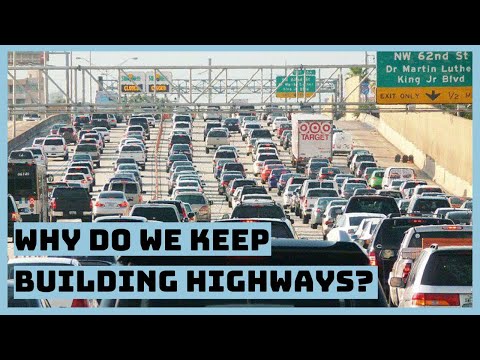
Car dependent cities, characterized by their reliance on personal vehicles for transportation, have been a staple of urban development in the 20th century. However, this model has been widely criticized for its contribution to traffic congestion, air pollution, and urban sprawl. According to a study by the Texas A&M Transportation Institute, the average commuter in the United States spends around 42 hours per year stuck in traffic, resulting in a total cost of $160 billion in wasted time and fuel in 2020. Despite these drawbacks, many cities continue to prioritize car-friendly infrastructure, with cities like Los Angeles and Houston boasting some of the most extensive highway systems in the world. Nevertheless, there is a growing trend towards more sustainable and people-friendly urban planning, with cities like Copenhagen and Vancouver investing heavily in cycling infrastructure and public transportation. As the world becomes increasingly urbanized, the question remains: can car dependent cities adapt to the needs of a rapidly changing world, or will they become relics of a bygone era?
🌆 Introduction to Car Dependent Cities
The concept of car dependent cities has been a topic of discussion among urban planners and developers for decades. A car dependent city is one that is designed around the use of cars, with wide roads, ample parking, and limited public transportation options. This type of city is often associated with urban sprawl and suburbanization. However, the rise of car dependent cities has also led to a range of problems, including air pollution, traffic congestion, and urban decay. As cities continue to grow and develop, it is essential to consider the implications of car dependence and explore alternative transportation modes, such as public transportation and cycling infrastructure.
🚗 The Rise of Car Dependence
The rise of car dependence in cities can be attributed to a combination of factors, including post-war suburbanization and the development of highway systems. The construction of highways and roads enabled people to travel quickly and easily, leading to the growth of suburbs and the decline of public transportation. Additionally, the rise of car culture and the increasing affordability of cars contributed to the growth of car dependence. However, this has also led to a range of problems, including traffic congestion and parking shortages. As cities continue to grow, it is essential to consider the implications of car dependence and explore alternative transportation modes, such as car sharing and ride hailing.
📉 The Paradox of Car Dependent Cities
The paradox of car dependent cities lies in the fact that while cars provide a convenient mode of transportation, they also contribute to a range of problems, including air pollution and traffic congestion. Furthermore, the infrastructure required to support car dependence, such as roads and parking lots, can be costly and take up valuable space in cities. This has led to a range of alternative transportation modes, such as public transportation and cycling infrastructure, being explored. However, the transition to these alternative modes can be challenging, particularly in cities where car dependence is deeply ingrained. As such, it is essential to consider the role of urban planning and transportation policy in shaping the future of transportation in car dependent cities.
🚫 The Dark Side of Car Dependence
The dark side of car dependence is a topic of increasing concern among urban planners and developers. The reliance on cars has led to a range of problems, including air pollution, traffic congestion, and urban decay. Additionally, the infrastructure required to support car dependence, such as roads and parking lots, can be costly and take up valuable space in cities. This has led to a range of alternative transportation modes, such as public transportation and cycling infrastructure, being explored. However, the transition to these alternative modes can be challenging, particularly in cities where car dependence is deeply ingrained. As such, it is essential to consider the role of urban planning and transportation policy in shaping the future of transportation in car dependent cities.
🌈 Alternative Transportation Modes
Alternative transportation modes, such as public transportation and cycling infrastructure, offer a range of benefits, including reduced air pollution and traffic congestion. Additionally, these modes can help to promote more sustainable urban development and reduce the city's carbon footprint. However, the implementation of these alternative modes can be challenging, particularly in cities where car dependence is deeply ingrained. As such, it is essential to consider the role of urban planning and transportation policy in shaping the future of transportation in car dependent cities. Furthermore, the development of smart cities and mobility as a service can help to promote more sustainable transportation options.
🏙️ Urban Planning Strategies
Urban planning strategies play a critical role in shaping the future of transportation in car dependent cities. This includes the development of compact urban form and mixed-use development, which can help to reduce the need for cars and promote more sustainable urban development. Additionally, the implementation of congestion pricing and low emission zones can help to reduce traffic congestion and air pollution. However, the transition to these alternative modes can be challenging, particularly in cities where car dependence is deeply ingrained. As such, it is essential to consider the role of transportation policy and public participation in shaping the future of transportation in car dependent cities.
📊 Economic Implications of Car Dependence
The economic implications of car dependence are a topic of increasing concern among urban planners and developers. The reliance on cars has led to a range of problems, including traffic congestion and parking shortages, which can have significant economic costs. Additionally, the infrastructure required to support car dependence, such as roads and parking lots, can be costly and take up valuable space in cities. This has led to a range of alternative transportation modes, such as public transportation and cycling infrastructure, being explored. However, the transition to these alternative modes can be challenging, particularly in cities where car dependence is deeply ingrained. As such, it is essential to consider the role of urban planning and transportation policy in shaping the future of transportation in car dependent cities.
🌎 Environmental Consequences
The environmental consequences of car dependent cities are a topic of increasing concern among urban planners and developers. The reliance on cars has led to a range of problems, including air pollution and climate change, which can have significant environmental costs. Additionally, the infrastructure required to support car dependence, such as roads and parking lots, can be costly and take up valuable space in cities. This has led to a range of alternative transportation modes, such as public transportation and cycling infrastructure, being explored. However, the transition to these alternative modes can be challenging, particularly in cities where car dependence is deeply ingrained. As such, it is essential to consider the role of urban planning and transportation policy in shaping the future of transportation in car dependent cities.
🔮 Future of Transportation in Car Dependent Cities
The future of transportation in car dependent cities is a topic of increasing interest among urban planners and developers. The development of electric vehicles and autonomous vehicles offers a range of benefits, including reduced air pollution and traffic congestion. Additionally, the implementation of mobility as a service can help to promote more sustainable transportation options. However, the transition to these alternative modes can be challenging, particularly in cities where car dependence is deeply ingrained. As such, it is essential to consider the role of urban planning and transportation policy in shaping the future of transportation in car dependent cities.
🤝 Collaborative Solutions
Collaborative solutions are essential for addressing the challenges of car dependent cities. This includes the development of public-private partnerships and community engagement initiatives, which can help to promote more sustainable transportation options. Additionally, the implementation of data-driven transportation planning can help to optimize transportation systems and reduce traffic congestion. However, the transition to these alternative modes can be challenging, particularly in cities where car dependence is deeply ingrained. As such, it is essential to consider the role of urban planning and transportation policy in shaping the future of transportation in car dependent cities.
📈 Conclusion and Recommendations
In conclusion, the paradox of car dependent cities is a complex issue that requires a range of solutions. The development of alternative transportation modes, such as public transportation and cycling infrastructure, offers a range of benefits, including reduced air pollution and traffic congestion. However, the transition to these alternative modes can be challenging, particularly in cities where car dependence is deeply ingrained. As such, it is essential to consider the role of urban planning and transportation policy in shaping the future of transportation in car dependent cities. Furthermore, the development of smart cities and mobility as a service can help to promote more sustainable transportation options.
Key Facts
- Year
- 2020
- Origin
- Post-WWII Urban Development
- Category
- Urban Planning and Development
- Type
- Urban Planning Concept
Frequently Asked Questions
What is a car dependent city?
A car dependent city is one that is designed around the use of cars, with wide roads, ample parking, and limited public transportation options. This type of city is often associated with urban sprawl and suburbanization. The reliance on cars has led to a range of problems, including air pollution and traffic congestion. As cities continue to grow and develop, it is essential to consider the implications of car dependence and explore alternative transportation modes, such as public transportation and cycling infrastructure.
What are the benefits of alternative transportation modes?
Alternative transportation modes, such as public transportation and cycling infrastructure, offer a range of benefits, including reduced air pollution and traffic congestion. Additionally, these modes can help to promote more sustainable urban development and reduce the city's carbon footprint. However, the implementation of these alternative modes can be challenging, particularly in cities where car dependence is deeply ingrained. As such, it is essential to consider the role of urban planning and transportation policy in shaping the future of transportation in car dependent cities.
How can urban planning strategies address the challenges of car dependent cities?
Urban planning strategies play a critical role in shaping the future of transportation in car dependent cities. This includes the development of compact urban form and mixed-use development, which can help to reduce the need for cars and promote more sustainable urban development. Additionally, the implementation of congestion pricing and low emission zones can help to reduce traffic congestion and air pollution. However, the transition to these alternative modes can be challenging, particularly in cities where car dependence is deeply ingrained. As such, it is essential to consider the role of transportation policy and public participation in shaping the future of transportation in car dependent cities.
What is the future of transportation in car dependent cities?
The future of transportation in car dependent cities is a topic of increasing interest among urban planners and developers. The development of electric vehicles and autonomous vehicles offers a range of benefits, including reduced air pollution and traffic congestion. Additionally, the implementation of mobility as a service can help to promote more sustainable transportation options. However, the transition to these alternative modes can be challenging, particularly in cities where car dependence is deeply ingrained. As such, it is essential to consider the role of urban planning and transportation policy in shaping the future of transportation in car dependent cities.
How can collaborative solutions address the challenges of car dependent cities?
Collaborative solutions are essential for addressing the challenges of car dependent cities. This includes the development of public-private partnerships and community engagement initiatives, which can help to promote more sustainable transportation options. Additionally, the implementation of data-driven transportation planning can help to optimize transportation systems and reduce traffic congestion. However, the transition to these alternative modes can be challenging, particularly in cities where car dependence is deeply ingrained. As such, it is essential to consider the role of urban planning and transportation policy in shaping the future of transportation in car dependent cities.
What is the role of urban planning in addressing the challenges of car dependent cities?
Urban planning plays a critical role in shaping the future of transportation in car dependent cities. This includes the development of compact urban form and mixed-use development, which can help to reduce the need for cars and promote more sustainable urban development. Additionally, the implementation of congestion pricing and low emission zones can help to reduce traffic congestion and air pollution. However, the transition to these alternative modes can be challenging, particularly in cities where car dependence is deeply ingrained. As such, it is essential to consider the role of transportation policy and public participation in shaping the future of transportation in car dependent cities.
What is the role of transportation policy in addressing the challenges of car dependent cities?
Transportation policy plays a critical role in shaping the future of transportation in car dependent cities. This includes the development of sustainable transportation policy, which can help to promote more sustainable transportation options. Additionally, the implementation of congestion pricing and low emission zones can help to reduce traffic congestion and air pollution. However, the transition to these alternative modes can be challenging, particularly in cities where car dependence is deeply ingrained. As such, it is essential to consider the role of urban planning and public participation in shaping the future of transportation in car dependent cities.
👥 Social Impacts of Car Dependent Cities
The social impacts of car dependent cities are a topic of increasing concern among urban planners and developers. The reliance on cars has led to a range of problems, including social isolation and inequality, which can have significant social costs. Additionally, the infrastructure required to support car dependence, such as roads and parking lots, can be costly and take up valuable space in cities. This has led to a range of alternative transportation modes, such as public transportation and cycling infrastructure, being explored. However, the transition to these alternative modes can be challenging, particularly in cities where car dependence is deeply ingrained. As such, it is essential to consider the role of urban planning and transportation policy in shaping the future of transportation in car dependent cities.