
Contents
- 🔥 The Elemental Vibe: What is Copper?
- ⏳ A Timeless Material: Copper's Historical Resonance
- ⚡ Conductivity: The Electric Heartbeat of Modernity
- 🏗️ Building Blocks: Copper in Construction and Infrastructure
- 💍 Alloys: Copper's Collaborative Spirit
- 💰 Market Dynamics: The Price of Progress
- 🌎 Geopolitics of Copper: Who Controls the Flow?
- 💡 Future Currents: Where Copper is Heading
- Frequently Asked Questions
- Related Topics
Overview
Copper, element Cu, atomic number 29, is a foundational metal with a Vibe Score of 85, deeply embedded in human history and modern infrastructure. From its discovery in the Neolithic era, enabling the Bronze Age and fueling the Industrial Revolution, to its indispensable role in electrical wiring, plumbing, and renewable energy technologies today, copper's influence is pervasive. Its excellent conductivity, malleability, and antimicrobial properties make it a material of enduring significance. However, its extraction and processing carry environmental costs, and market volatility impacts its accessibility, creating ongoing debates about sustainable sourcing and technological alternatives. Understanding copper means understanding the very arc of human technological progress.
🔥 The Elemental Vibe: What is Copper?
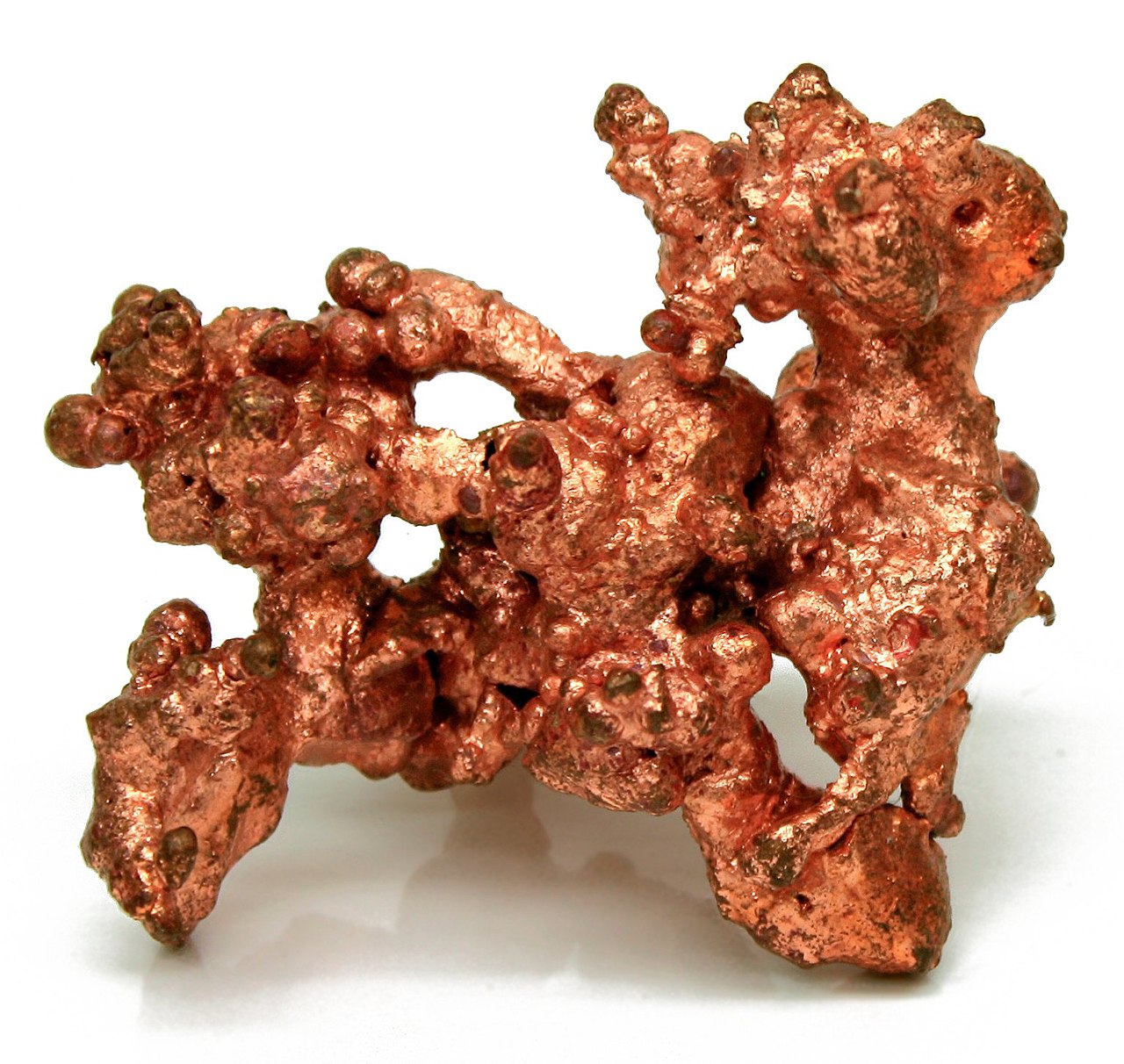
Copper, element 29 on the periodic table (symbol Cu), is far more than just a reddish metal. It's a soft, malleable, and incredibly ductile material, boasting unparalleled thermal and electrical conductivity. Its signature pinkish-orange hue, vibrant on a fresh surface, hints at its ancient allure. Beyond its aesthetic appeal, copper is the workhorse of countless applications, from the wires humming with electricity in our homes to the intricate alloys that define modern industry. Its elemental vibe is one of essential utility and enduring presence, a constant in a world of fleeting trends.
⏳ A Timeless Material: Copper's Historical Resonance
Copper's story is humanity's story. For over 10,000 years, since its discovery in the Fertile Crescent around 9000 BCE, humans have harnessed its power. It ushered in the Copper Age, predating bronze and iron, fundamentally altering toolmaking and warfare. From the intricate bronze statues of ancient Greece to the plumbing systems of Roman villas, copper has been a silent partner in civilization's grand narrative. Its historical resonance is profound, a tangible link to our ancestors' ingenuity and their mastery of the material world.
⚡ Conductivity: The Electric Heartbeat of Modernity
When we talk about electricity, we're often talking about copper. Its exceptional electrical conductivity, second only to silver, makes it indispensable for everything from the Global Power Grids that light our cities to the micro-circuitry within our smartphones. This isn't just about efficiency; it's about reliability and the very foundation of our interconnected digital age. Without copper, the flow of information and energy that defines modern life would simply cease to function, a stark reminder of its critical role.
🏗️ Building Blocks: Copper in Construction and Infrastructure
Beyond its electrical prowess, copper is a stalwart in construction and infrastructure. Its corrosion resistance makes it ideal for Copper Plumbing and roofing, ensuring longevity and preventing costly repairs. In bridges and buildings, its structural integrity, especially when alloyed, provides essential support. The distinctive green patina that develops on exposed copper surfaces over time, like on the Statue of Liberty, is a testament to its resilience and a visual marker of enduring architectural heritage.
💍 Alloys: Copper's Collaborative Spirit
Copper rarely works alone; its true genius lies in its ability to collaborate. It forms a dazzling array of alloys, each with unique properties. Sterling silver, a staple in Sterling Silver Jewelry, is copper alloyed with silver. Cupronickel, a blend of copper and nickel, is prized for its resistance to saltwater corrosion, making it crucial for marine hardware and coinage. Constantan, an alloy of copper and nickel, exhibits remarkable stability in electrical resistance, vital for precision instruments like strain gauges and thermocouples used in Thermocouple Applications.
💰 Market Dynamics: The Price of Progress
The price of copper is a barometer for global economic health, earning it the moniker "Dr. Copper." Its value fluctuates based on industrial demand, geopolitical stability, and the costs associated with extraction and refining. Major producers like Copper Mining in Peru significantly influence global supply. Understanding these market dynamics is crucial for industries reliant on this essential metal, as price volatility can impact everything from consumer electronics to large-scale infrastructure projects.
🌎 Geopolitics of Copper: Who Controls the Flow?
The extraction and distribution of copper are deeply intertwined with global politics and economics. Nations with significant copper reserves, such as Chile, Peru, and the Democratic Republic of Congo, wield considerable influence. Issues surrounding mining rights, environmental regulations, labor practices, and trade agreements constantly shape the geopolitical landscape of copper. The concentration of production in a few key regions creates vulnerabilities and drives international negotiations, making copper a strategic commodity.
💡 Future Currents: Where Copper is Heading
The future of copper is electrifying, quite literally. The burgeoning Electric Vehicle Market sector is a massive new demand driver, with EVs requiring significantly more copper than traditional gasoline-powered cars. Renewable energy infrastructure, from solar farms to wind turbines, also relies heavily on copper wiring. As the world transitions towards decarbonization, the demand for copper is projected to surge, potentially leading to supply challenges and driving innovation in recycling and alternative materials. The question isn't if copper will be crucial, but how we will meet its escalating needs.
Key Facts
- Year
- -10000
- Origin
- Neolithic Era
- Category
- Materials Science & History
- Type
- Element
Frequently Asked Questions
What is the main use of copper?
The primary use of copper is as an electrical conductor, found in everything from household wiring and power grids to electronics and electric vehicles. Its excellent thermal conductivity also makes it vital for heat exchangers and cookware. Beyond these core functions, copper is a key component in numerous alloys like brass and bronze, essential for construction, plumbing, and manufacturing.
Why is copper so important for the economy?
Copper is often called 'Dr. Copper' because its price movements are seen as a leading indicator of global economic health. Its widespread use across construction, manufacturing, and technology means that demand for copper rises with economic expansion and falls during downturns. Its strategic importance in energy transmission and new technologies like EVs further solidifies its economic significance.
Is copper a sustainable material?
Copper is highly sustainable due to its excellent recyclability. It can be recycled indefinitely without losing its properties, and a significant portion of the copper used today is derived from recycled sources. However, the mining process itself can have environmental impacts, including habitat disruption and water usage, which are areas of ongoing focus for responsible sourcing and improved extraction techniques.
What are the main copper alloys and their uses?
Key copper alloys include brass (copper and zinc), used for decorative items, musical instruments, and hardware; bronze (copper and tin), historically used for tools and sculptures, now found in bearings and marine applications; and cupronickel (copper and nickel), known for its corrosion resistance in marine environments and coinage. Sterling silver (copper and silver) is used in jewelry and tableware.
Where is most of the world's copper mined?
The largest copper-producing countries are Chile and Peru, which together account for a substantial portion of global output. Other significant producers include China, the Democratic Republic of Congo, the United States, and Australia. The concentration of mining in these regions has significant geopolitical and economic implications.
How much copper is in an electric car?
Electric vehicles use significantly more copper than conventional cars, typically around 180 pounds (80 kg) per vehicle, compared to about 40 pounds (18 kg) in a gasoline-powered car. This copper is essential for the electric motor, battery, power electronics, and charging systems, making the EV transition a major driver of future copper demand.