
Contents
Overview
The genesis of the cult film can be traced back to the early days of cinema, with works like Un Chien Andalou by Salvador Dalí and Luis Buñuel challenging conventional narrative and visual norms, attracting small but fervent audiences. The post-war era saw the rise of film noir and B-movies, many of which, initially overlooked or critically dismissed, later found dedicated followings through revival screenings and repertory cinemas. The true explosion of the cult film phenomenon, however, is inextricably linked to the midnight movie circuit. Films like The Rocky Horror Picture Show, Eraserhead, and Pink Flamingos became communal events, fostering interactive viewing experiences that cemented their cult status. These screenings, often held at independent theaters, transformed passive consumption into active participation, a hallmark of the cult film experience.
⚙️ Defining Characteristics
What truly defines a cult film is not necessarily its artistic merit or commercial success, but the nature of its audience. These are films that inspire deep emotional investment, leading to phenomena such as obsessive rewatching, elaborate cosplay at screenings, and the memorization and recitation of dialogue, famously exemplified by The Rocky Horror Picture Show's "shadow casts." The films themselves often possess unconventional narratives, transgressive themes, or a distinct aesthetic that alienates mainstream audiences while captivating a niche group. Think of the surrealist horror of David Lynch's Eraserhead, the anarchic social commentary of John Waters' Pink Flamingos, or the mind-bending science fiction of Donnie Darko. These films create a shared language and identity for their fans, fostering a sense of belonging that commercial blockbusters rarely achieve.
📊 Key Facts & Numbers
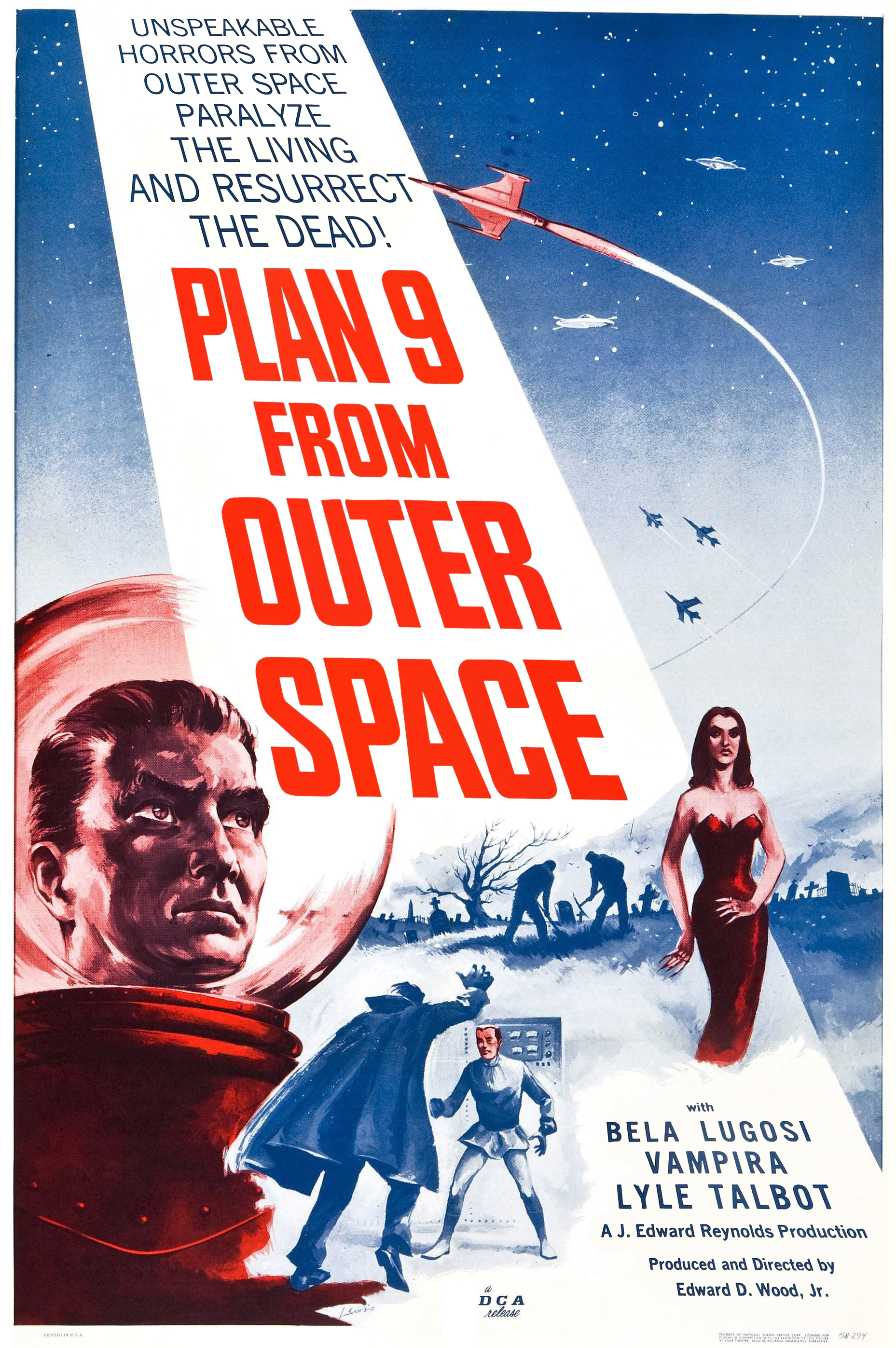
While precise numbers are elusive due to the subjective nature of 'cult' status, certain metrics offer insight. The Rocky Horror Picture Show has been in continuous theatrical release since 1975, a record-breaking run that has grossed over $147 million worldwide, demonstrating the immense commercial longevity possible for cult films. Donnie Darko initially grossed only $517,000 in its limited US theatrical release but later achieved significant success on home video, eventually grossing over $7.6 million globally. Films like Plan 9 from Outer Space, often cited as one of the worst films ever made, have sold millions of copies on VHS and DVD, proving that notoriety can be as powerful as critical acclaim. The average Vibe Score for films widely recognized as cult classics often hovers around 70-85, indicating high cultural energy and resonance within their specific fanbases, even if their initial box office returns were dismal.
👥 Key Figures & Movements
Key figures in the cult film pantheon include directors like John Waters, whose transgressive comedies like Female Trouble and Hairspray have garnered immense followings. David Lynch's surrealist visions, from Eraserhead to Mulholland Drive, have cultivated dedicated cinephiles. The midnight movie movement itself, spearheaded by programmers and theater owners who championed films outside the mainstream, was crucial. Organizations like The American Cinematheque and independent cinemas worldwide continue to screen cult classics, preserving their legacy. The rise of home video formats like VHS and DVD in the late 20th century was instrumental in broadening access to these films beyond theatrical screenings, allowing their fanbases to grow exponentially.
🌍 Cultural Impact & Influence
The cultural impact of cult films extends far beyond their dedicated fanbases. They have influenced countless filmmakers, musicians, and artists, embedding their unique aesthetics and narrative approaches into the broader cultural consciousness. The DIY ethos and transgressive spirit of many cult films have inspired independent cinema movements globally. For instance, the visual style and thematic concerns of Blade Runner, initially a box office disappointment, have profoundly shaped the cyberpunk genre and science fiction filmmaking. The interactive nature of cult film screenings has also influenced live performance art and immersive entertainment experiences. Furthermore, cult films often serve as cultural touchstones, providing a shared vocabulary and set of references for those who identify with their particular vibe.
⚡ Current State & Latest Developments
In the current media landscape, the definition of 'cult film' continues to evolve. Streaming platforms like Netflix and HBO Max now host vast libraries of films that might once have been relegated to niche theaters or video stores, potentially creating new cult followings for previously obscure titles. The internet, particularly platforms like Reddit (with subreddits like r/cultfilms) and YouTube (through fan essays and analysis channels), has become a primary engine for discovering and discussing cult cinema, allowing niche communities to form and thrive globally. The rise of boutique Blu-ray distributors like The Criterion Collection and Shout! Factory also plays a significant role in preserving and promoting cult classics to new generations of enthusiasts, often with extensive bonus features that deepen the fan experience.
🤔 Controversies & Debates
The very definition of 'cult film' is a source of ongoing debate. Critics argue about whether a film needs to be obscure and transgressive, or if a mainstream flop with a dedicated following, like Waterworld, qualifies. The line between a cult film and simply a 'bad movie' that people enjoy ironically is often blurred, as seen with the enduring popularity of Plan 9 from Outer Space. There's also the question of whether a film can transition from cult status to mainstream acceptance, potentially losing its 'cult' identity in the process. The commercial success of films like The Matrix, which began with a strong cult following, raises questions about the exclusivity and enduring nature of cult appeal. This ongoing discussion contributes to the topic's high controversy score.
🔮 Future Outlook & Predictions
The future of cult films appears robust, driven by the democratization of filmmaking and distribution. Independent filmmakers can now reach global audiences directly through online platforms, bypassing traditional gatekeepers and potentially cultivating cult followings from inception. As mainstream cinema increasingly leans towards franchise blockbusters, audiences may continue to seek out unique, idiosyncratic, and challenging films that offer a more personal or communal experience. We might see more films designed with interactive elements or built-in community engagement from the outset, blurring the lines between film and participatory event. The enduring appeal of midnight screenings and the continued exploration of niche genres suggest that the spirit of the cult film will persist, adapting to new technologies and audience behaviors.
💡 Practical Applications
While not always directly applicable in a commercial sense, cult films have significant practical applications in cultural studies, film theory, and marketing. Analyzing cult films provides insights into subcultures, audience engagement, and the power of niche communities. For filmmakers, understanding the elements that contribute to cult status—unique vision, transgressive themes, strong aesthetic, and audience interaction—can inform their creative process, even if mainstream success isn't the primary goal. Marketers can learn from the passionate loyalty cult film fanbases inspire, applying similar strategies to build brand communities. Furthermore, the preservation and screening of cult fil
Key Facts
- Category
- culture
- Type
- topic