
Contents
Overview
The concept of digital information has its roots in the early days of computing, with pioneers like Alan Turing and Claude Shannon laying the foundation for modern digital technologies. The development of the internet by Vint Cerf and Bob Kahn, and the creation of the World Wide Web by Tim Berners-Lee, further accelerated the growth of digital information. Today, companies like Google, Amazon, and Microsoft are at the forefront of digital information, providing services like cloud computing, artificial intelligence, and data analytics. The influence of digital information can also be seen in the work of organizations like the Internet Archive, which aims to preserve digital content for future generations, and the efforts of individuals like Jimmy Wales, who co-founded Wikipedia to promote free access to knowledge.
💻 How It Works
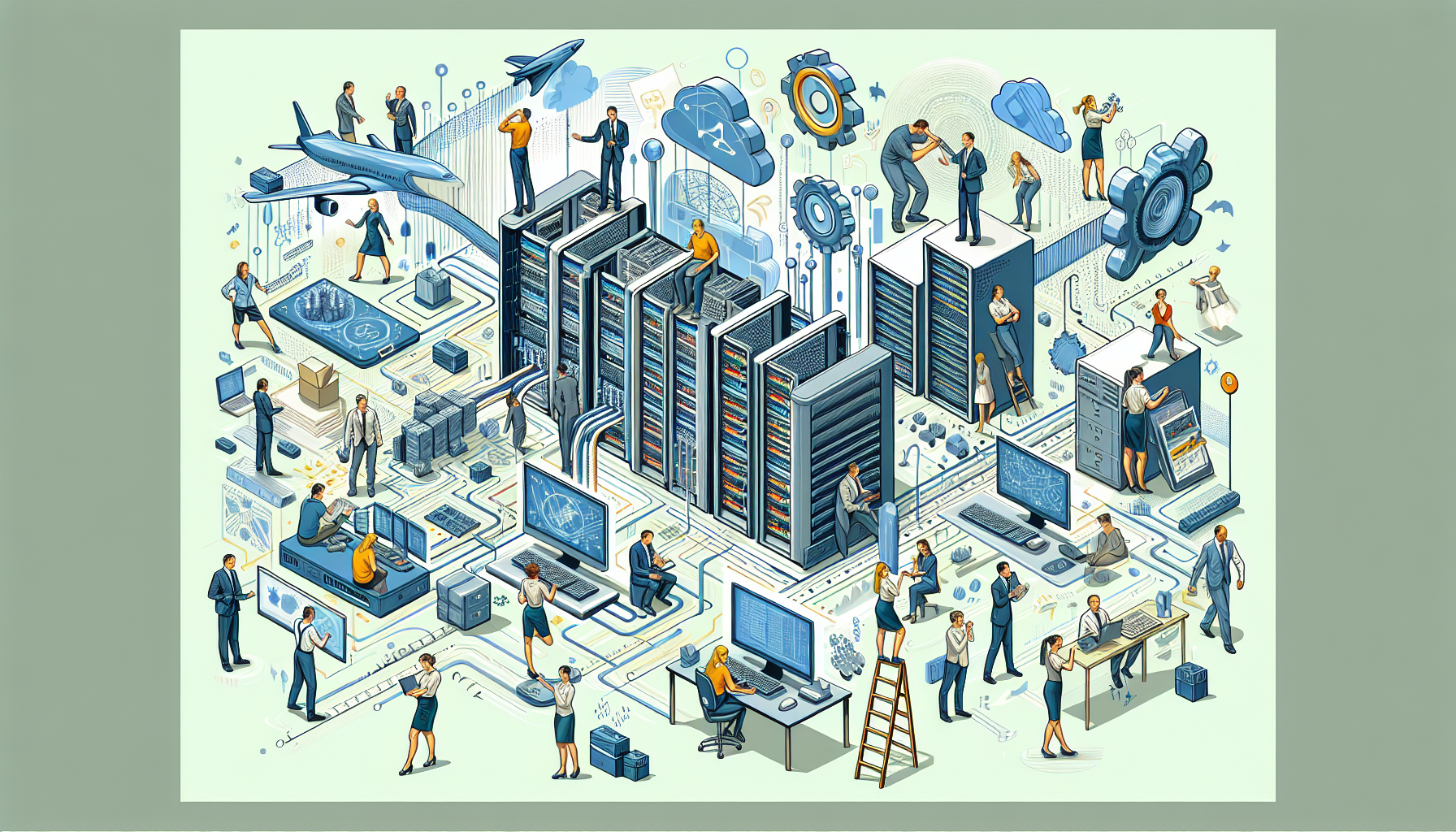
Digital information is created, stored, and disseminated through a complex network of digital technologies, including computers, servers, and communication networks. The process involves the conversion of analog data into digital format, which can then be processed, stored, and transmitted using digital devices. This has enabled the widespread adoption of digital technologies, with companies like Apple, Samsung, and Huawei developing innovative products that have transformed the way we live and work. The role of digital information in modern society is also evident in the growth of online platforms like Reddit, YouTube, and TikTok, which have become essential channels for information sharing, entertainment, and social interaction. Furthermore, the work of researchers like Noam Chomsky and institutions like the MIT Media Lab has helped to advance our understanding of digital information and its implications for society.
📊 Impact on Society
The impact of digital information on society has been profound, with far-reaching consequences for various aspects of our lives. The internet has enabled global connectivity, facilitating communication, collaboration, and access to information on an unprecedented scale. Digital technologies have also transformed industries like education, healthcare, and finance, with companies like Coursera, Khan Academy, and PayPal leading the way. However, the growth of digital information has also raised concerns about issues like privacy, security, and misinformation, with organizations like the Electronic Frontier Foundation and the Cybersecurity and Infrastructure Security Agency working to address these challenges. The influence of digital information can also be seen in the work of artists like Michel Gondry, who have used digital technologies to create innovative and thought-provoking works, and the efforts of activists like Edward Snowden, who have highlighted the need for greater transparency and accountability in the digital age.
🔒 Future & Challenges
As digital information continues to evolve, it is likely to face new challenges and opportunities. The growth of emerging technologies like artificial intelligence, blockchain, and the Internet of Things (IoT) is expected to further transform the digital landscape, with companies like IBM, Microsoft, and Amazon Web Services leading the way. However, issues like data privacy, cybersecurity, and digital divide will require careful attention and innovative solutions. The future of digital information will also depend on the development of new technologies and standards, such as 5G networks, quantum computing, and open-source software, with organizations like the Linux Foundation and the Open Source Initiative playing a crucial role in shaping the digital future. Ultimately, the impact of digital information will be shaped by the collective efforts of individuals, organizations, and governments, working together to harness the potential of digital technologies and create a more equitable, just, and connected world.
Key Facts
- Year
- 1969
- Origin
- United States
- Category
- technology
- Type
- concept
Frequently Asked Questions
What is digital information?
Digital information refers to the data, content, and knowledge that is created, stored, and disseminated through digital technologies, such as computers, smartphones, and the internet.
How has digital information impacted society?
Digital information has transformed various aspects of our lives, including communication, education, healthcare, and finance, and has enabled global connectivity and access to information on an unprecedented scale.
What are the challenges facing digital information?
Digital information faces challenges like data privacy, cybersecurity, misinformation, and digital divide, which require careful attention and innovative solutions.
What is the future of digital information?
The future of digital information will depend on the development of new technologies and standards, such as 5G networks, quantum computing, and open-source software, and will require collective efforts to harness the potential of digital technologies and create a more equitable, just, and connected world.
How can I protect my digital information?
You can protect your digital information by using strong passwords, enabling two-factor authentication, keeping your software up to date, and being cautious when sharing personal data online.