
Contents
Overview
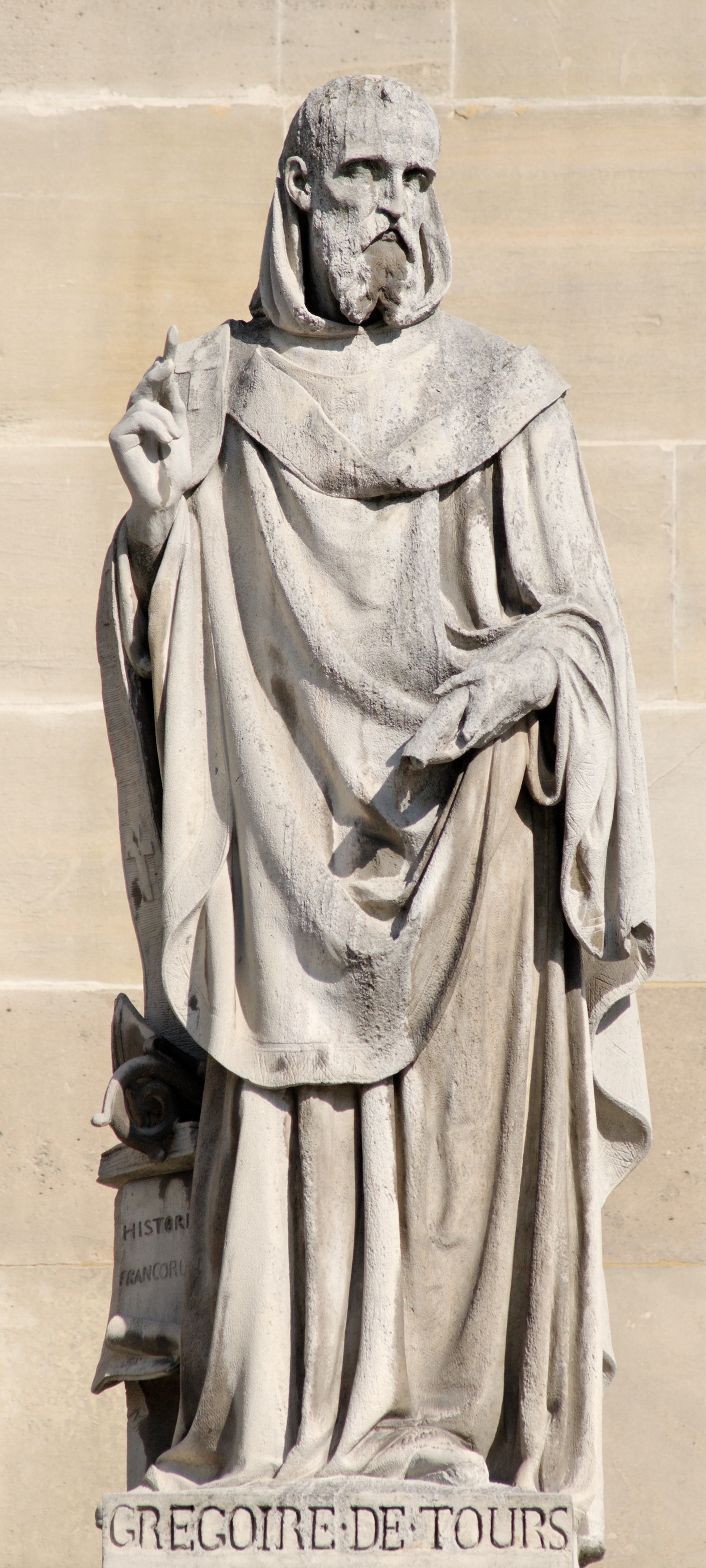
Gregory of Tours, born Georgius Florentius, was a prominent figure in the Merovingian kingdom, which encompassed the historic region of Gaul. His life and work were heavily influenced by the likes of Martin of Tours, a revered religious figure of the time. As a Gallo-Roman historian and Bishop of Tours, Gregory was well-positioned to document the events of his era, which he did with great detail in his Decem Libri Historiarum. This work, also known as the Historia Francorum, is considered a primary source for the study of Merovingian history and has been widely referenced by historians, including Edward Gibbon.
📖 The Decem Libri Historiarum
The Decem Libri Historiarum, or 'Ten Books of Histories', is Gregory's most notable work and a testament to his dedication to chronicling the history of the Franks. The book provides a comprehensive account of the Merovingian period, covering topics such as the reign of Childebert I and the role of the Catholic Church in shaping the kingdom's politics and society. Gregory's writing style, which blended historical fact with religious commentary, has been praised for its clarity and insight, making the Decem Libri Historiarum an essential resource for historians studying the era. The work has also been compared to that of other notable historians, such as Bede and Jordanes.
👑 The Merovingian Period and Its Key Figures
The Merovingian period, during which Gregory lived and wrote, was marked by significant political and social upheaval. The kingdom, which was ruled by the Merovingian dynasty, was characterized by a complex system of power and influence, with various factions and interest groups vying for control. Key figures of the era, such as Clovis I and Chilperic I, played important roles in shaping the kingdom's destiny, and their actions are meticulously documented in Gregory's Decem Libri Historiarum. The work also provides valuable insights into the daily life and culture of the Frankish people, including their customs, traditions, and beliefs. For example, Gregory's accounts of the Frankish people's interactions with the Byzantine Empire offer a unique perspective on the diplomatic and trade relationships between the two powers.
🏛️ Legacy and Impact on French History
Gregory of Tours' legacy extends far beyond his own time and place. His work, particularly the Decem Libri Historiarum, has had a profound impact on the field of French history, earning him the title of 'father of French history'. Historians, such as Fernand Braudel and Marc Bloch, have built upon Gregory's foundation, using his accounts as a starting point for their own research and analysis. The Decem Libri Historiarum has also been widely translated and studied, making it an essential resource for scholars and historians around the world. As a testament to his enduring influence, Gregory's work continues to be referenced and studied by scholars today, including those at the University of Paris and the British Museum.
Key Facts
- Year
- 538-594 AD
- Origin
- Gaul, Merovingian kingdom
- Category
- history
- Type
- person
Frequently Asked Questions
What is the significance of the Decem Libri Historiarum?
The Decem Libri Historiarum, also known as the Historia Francorum, is a primary source for the study of Merovingian history and provides a comprehensive account of the Frankish people and their kingdom during the 6th century. It is considered one of the most important works of Gregory of Tours and has been widely referenced by historians. The book offers valuable insights into the political, social, and religious landscape of the Merovingian kingdom, including the role of the Catholic Church and the interactions between the Frankish people and other neighboring powers, such as the Byzantine Empire.
Who was Martin of Tours and what was his influence on Gregory?
Martin of Tours was a revered religious figure of the time and had a significant influence on Gregory's work and life. Gregory was deeply influenced by Martin's teachings and legacy, and his own work reflects this influence. Martin's impact on the development of Christianity in Gaul and his role as a spiritual leader are well-documented in Gregory's writings, including the Decem Libri Historiarum. For example, Gregory's accounts of Martin's miracles and his role in the conversion of the Frankish people to Christianity provide valuable insights into the religious landscape of the Merovingian kingdom.
What is the legacy of Gregory of Tours and his work?
Gregory of Tours' legacy extends far beyond his own time and place. His work, particularly the Decem Libri Historiarum, has had a profound impact on the field of French history, earning him the title of 'father of French history'. Historians have built upon Gregory's foundation, using his accounts as a starting point for their own research and analysis. The Decem Libri Historiarum has also been widely translated and studied, making it an essential resource for scholars and historians around the world, including those at the University of Paris and the British Museum.
What was the Merovingian period and its significance in French history?
The Merovingian period, which lasted from the 5th to the 8th century, was a time of significant political and social upheaval in Gaul. The Merovingian dynasty, which ruled the kingdom, was characterized by a complex system of power and influence, with various factions and interest groups vying for control. The period is notable for the rise of the Frankish people and the development of Christianity in Gaul. Gregory's work provides valuable insights into this era, including the reign of Childebert I and the role of the Catholic Church in shaping the kingdom's politics and society.
How does Gregory's work compare to that of other historians of the time?
Gregory's work, particularly the Decem Libri Historiarum, is considered one of the most important and influential historical accounts of the Merovingian period. His writing style, which blended historical fact with religious commentary, has been praised for its clarity and insight. Compared to other historians of the time, such as Bede and Jordanes, Gregory's work is notable for its focus on the Frankish people and the Merovingian kingdom. While Bede's work, for example, focused on the history of the Anglo-Saxon people, Gregory's work provides a unique perspective on the development of Christianity in Gaul and the interactions between the Frankish people and other neighboring powers.