
Contents
Overview
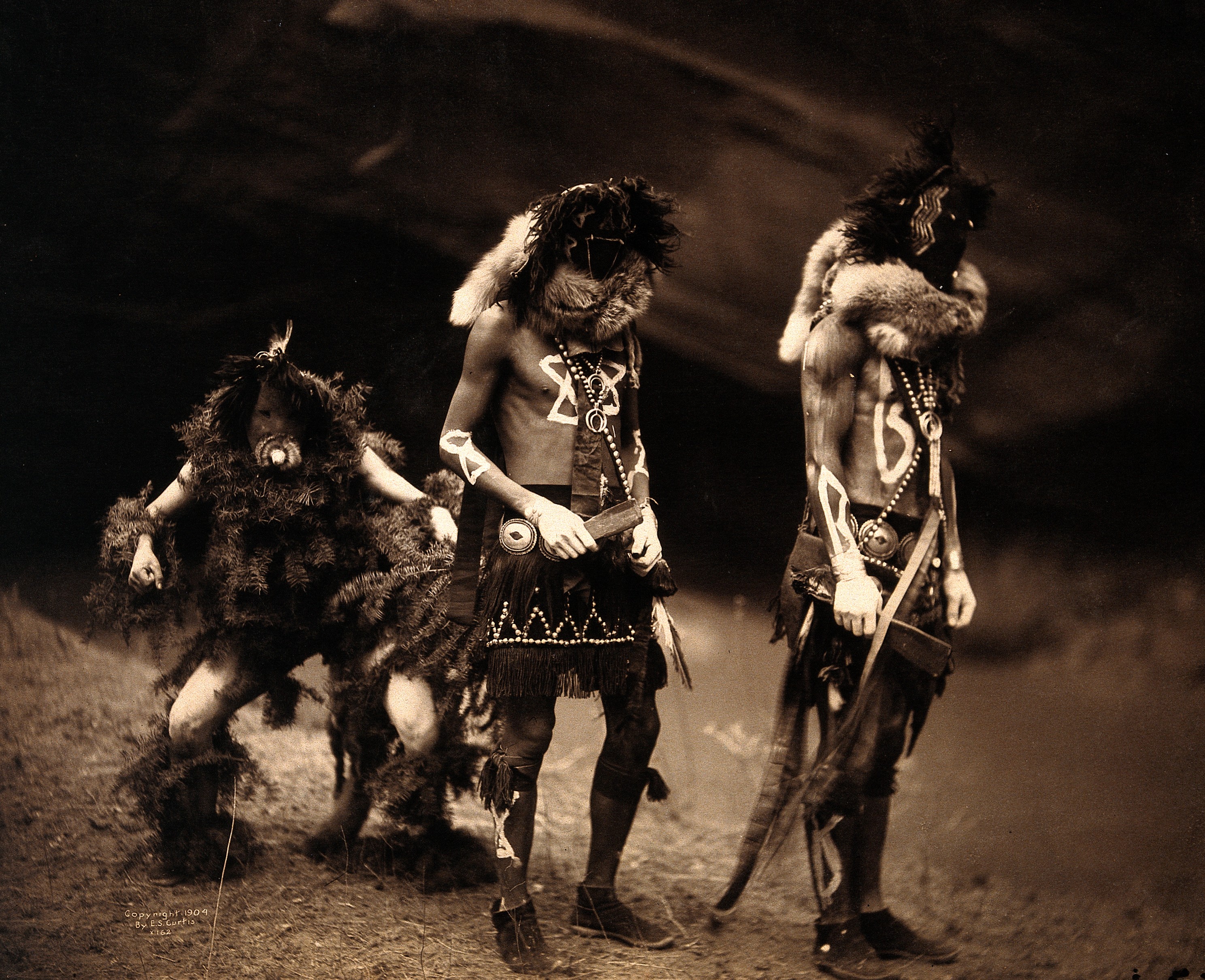
Indigenous spirituality encompasses the vast array of spiritual beliefs, practices, and cosmologies held by Indigenous peoples across the globe. Far from a monolithic entity, these traditions are as diverse as the peoples themselves, shaped by unique histories, environments, and cultural contexts. Rooted in deep reverence for the natural world, ancestral connections, and the interconnectedness of all life, Indigenous spirituality often emphasizes oral traditions, ceremonial practices, and a reciprocal relationship with the land. These practices can range from animistic and shamanistic beliefs to complex pantheons and monotheistic understandings, passed down through generations via myths, stories, and rituals. Despite centuries of colonial disruption, Indigenous spiritual practices are experiencing a global resurgence, demonstrating remarkable resilience and adaptability in the 21st century.
🎵 Origins & History
The origins of Indigenous spirituality are ancient, emerging independently across continents as early human societies developed their first understandings of the cosmos and their place within it. These traditions represent early forms of human spiritual expression. The arrival of European colonizers marked a period of intense disruption, with widespread suppression and forced assimilation in many regions. Despite this, the core tenets of these spiritual systems persisted, often in secret or adapted forms, demonstrating profound resilience.
⚙️ How It Works
Indigenous spirituality operates on principles of interconnectedness, reciprocity, and reverence for all life. Central to many traditions is the concept of the sacredness of the natural world, where elements like the earth, sky, water, plants, and animals are seen as sentient beings or manifestations of the divine. This worldview fosters a deep ecological ethic, guiding human behavior to maintain balance and harmony with the environment. Practices often involve elaborate ceremonies, rituals, and prayers designed to honor spirits, ancestors, and Creator figures, seeking guidance, healing, and the well-being of the community and the land. The role of shamans, medicine people, elders, or spiritual leaders is crucial, serving as intermediaries, healers, and keepers of sacred knowledge, often facilitated through altered states of consciousness achieved through fasting, drumming, or plant medicines like peyote or ayahuasca.
📊 Key Facts & Numbers
The global ecotourism market, which often intersects with Indigenous cultural experiences, is projected to grow. Indigenous communities often report higher levels of spiritual well-being, with some research suggesting that participation in traditional ceremonies can correlate with lower rates of depression and anxiety among Indigenous youth, though this is a complex area with many contributing factors.
👥 Key People & Organizations
Key figures in the preservation and revitalization of Indigenous spirituality include various shamans and elders who continue to teach and lead ceremonies. Organizations like the Indigenous Environmental Network work to protect Indigenous lands and spiritual sites, while institutions such as the Smithsonian National Museum of the American Indian document and present Indigenous cultures. The World Council of Indigenous Peoples serves as a global advocacy body, promoting Indigenous rights and cultural preservation. Numerous universities worldwide now offer programs in Indigenous studies, fostering academic engagement with these traditions.
🌍 Cultural Impact & Influence
Indigenous spirituality has profoundly influenced global culture, particularly in areas of environmentalism, holistic health, and art. The concept of deep ecology, which emphasizes the intrinsic value of all living beings, draws heavily from Indigenous worldviews. Many contemporary wellness movements incorporate practices like mindfulness meditation, yoga, and herbalism, which have parallels or direct roots in Indigenous healing traditions. Indigenous art forms, from totem poles to Navajo rugs, are recognized globally for their aesthetic and spiritual significance. Furthermore, the growing global awareness of climate change has led many to look towards Indigenous peoples for wisdom on sustainable living and ecological stewardship.
⚡ Current State & Latest Developments
In the 21st century, Indigenous spirituality is experiencing a significant revitalization, often termed a 'spiritual renaissance.' This is driven by a conscious effort among Indigenous communities to reclaim and strengthen their cultural heritage, combat the lingering effects of colonialism, and adapt traditions for contemporary life. Online platforms and social media are increasingly used by Indigenous leaders and knowledge keepers to share teachings, organize events, and connect with younger generations and global allies. There's a growing trend of Indigenous youth actively seeking out and participating in traditional ceremonies and language programs. This resurgence is also visible in the arts, literature, and activism, where Indigenous spiritual perspectives are gaining wider recognition and influence, as seen in the work of artists like Cannupa Lakota and movements advocating for land rights and sovereignty.
🤔 Controversies & Debates
Indigenous spirituality faces ongoing controversies, primarily stemming from historical and ongoing cultural appropriation. Non-Indigenous individuals and commercial enterprises often adopt sacred symbols, rituals, and plant medicines without understanding their deep cultural context or seeking permission, leading to commodification and disrespect. Debates also arise around land rights and the protection of sacred sites, which are frequently threatened by resource extraction and development projects, such as the Standing Rock protests against the Dakota Access Pipeline. Furthermore, the legacy of residential schools in Canada and similar assimilationist policies in other nations continues to impact the transmission of spiritual knowledge, creating intergenerational trauma that communities are actively working to heal. The question of who has the authority to speak on behalf of Indigenous spiritual traditions remains a point of discussion.
🔮 Future Outlook & Predictions
The future of Indigenous spirituality appears robust, characterized by resilience, adaptation, and increasing global visibility. As climate change intensifies, the ecological wisdom embedded in Indigenous traditions is likely to gain even greater prominence, potentially influencing global policy and environmental ethics. We can anticipate further integration of Indigenous knowledge systems into mainstream education and scientific research, fostering a more holistic understanding of the world. The ongoing efforts in language revitalization will undoubtedly strengthen the cultural and spiritual foundations for future generations. However, the fight against cultural appropriation and the ongoing struggle for land rights and self-determination will remain critical challenges, requiring continued advocacy and allyship from both within and outside Indigenous communities. The potential for greater inter-tribal and international collaboration among Indigenous peoples to share knowledge and support revitalization efforts is also significant.
💡 Practical Applications
Indigenous spiritual principles offer practical applications in various contemporary fields. In environmental conservation, Indigenous land management techniques, such as prescribed burning and traditional ecological knowledge (TEK), are being recognized for their effectiveness in promoting biodiversity and mitigating wildfires. The holisti
Key Facts
- Category
- culture
- Type
- topic