
Contents
Overview
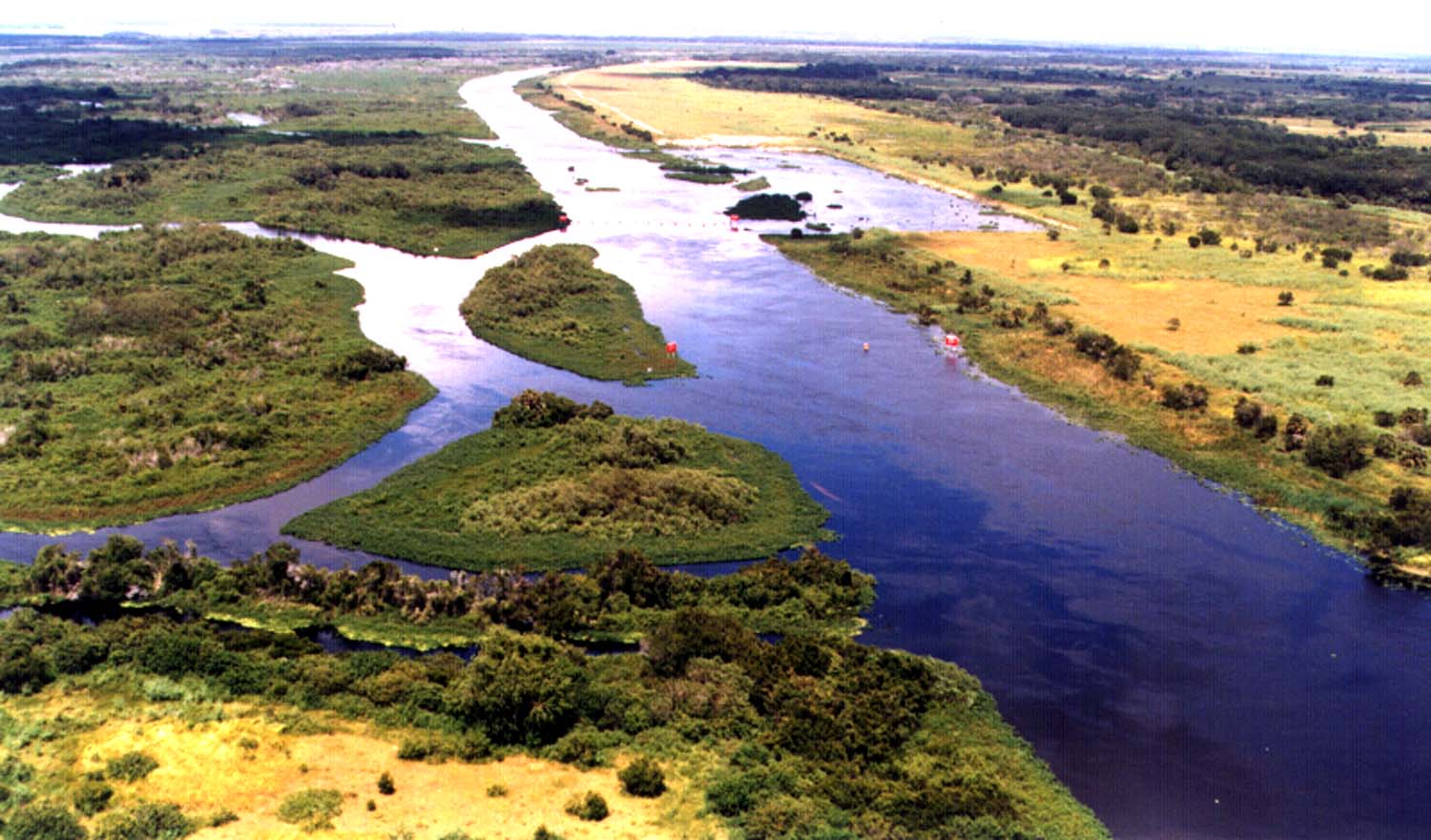
The story of the Kissimmee River is a dramatic arc of ecological transformation, beginning as a natural, meandering waterway that fed the vast Lake Okeechobee system. Its headwaters are found in the lakes south of Orlando, notably East Lake Tohopekaliga, from which it flows south, linking Lake Kissimmee and other significant water bodies. For millennia, this serpentine flow was integral to the hydrology of south Florida, supporting diverse wildlife and acting as a natural sponge. However, the devastating 1947 Florida hurricane served as the catalyst for radical intervention. Driven by a desire to prevent future flood damage and reclaim land for agriculture and development, the U.S. Army Corps of Engineers embarked on the ambitious Central and Southern Florida (C&SF) Project, which included the channelization of the Kissimmee's lower 100 miles. This project, completed by 1971, replaced the natural river with the C-38 Canal, fundamentally altering the landscape and its ecological dynamics.
⚙️ How It Works
The channelization of the Kissimmee River transformed its function from a slow, meandering flow supporting extensive wetlands into a rapid, linear conduit. The C-38 Canal, approximately 100 miles long and 500 feet wide, was designed with a series of water control structures, including dams and levees, to manage water levels and flow rates. This engineering intervention dramatically increased the speed at which water moved from the Kissimmee basin into Lake Okeechobee, reducing the time water spent interacting with the floodplain. The impoundment of water behind the structures also led to the dewatering of over 40,000 acres of historically inundated wetlands, which were then converted to cattle ranches and agricultural lands. This artificial system prioritized flood control and water supply for urban and agricultural needs over ecological integrity, effectively severing the river's connection to its natural floodplain.
📊 Key Facts & Numbers
The Kissimmee River basin encompasses approximately 3,500 square miles, and its transformation has had quantifiable impacts. Before channelization, the river's floodplain covered an estimated 40,000 acres; today, only a fraction of that remains connected. The C-38 Canal can move water at rates up to 10,000 cubic feet per second, a stark contrast to the natural river's much slower, variable flow. The restoration efforts have already led to the re-establishment of over 25,000 acres of wetlands. Water quality improvements are measured by reductions in nutrient loads, particularly phosphorus, which previously contributed to algal blooms in Lake Okeechobee. The project aims to restore approximately 40 miles of the river's historical meandering channel, reconnecting it to its floodplain.
👥 Key People & Organizations
The transformation of the Kissimmee River involved numerous stakeholders and key figures. The U.S. Army Corps of Engineers were the primary implementers of the C&SF Project, including the channelization of the river. The Florida Department of Environmental Protection and the South Florida Water Management District (SFWMD) are now the lead agencies for the ongoing restoration efforts, working in partnership with federal agencies like the Environmental Protection Agency (EPA) and the U.S. Fish and Wildlife Service. Environmental advocates and scientists, such as those associated with the Audubon Society, have been instrumental in documenting the ecological damage and advocating for restoration. The political will for restoration was significantly bolstered by figures like former Florida Governor Lawton Chiles, who championed the project in the 1990s.
🌍 Cultural Impact & Influence
Culturally, the Kissimmee River's story is a potent symbol of humanity's complex relationship with nature in Florida. For generations, the river and its surrounding lands were central to the identity of cattle ranchers and rural communities, representing a frontier spirit. The subsequent channelization, while driven by progress, led to a sense of loss for the wilder, more natural landscape. The ongoing restoration project has fostered a renewed appreciation for the river's ecological value, drawing attention from ecotourists, anglers, and nature enthusiasts. The narrative of the Kissimmee's restoration has become a case study in large-scale environmental remediation, influencing public perception of engineering projects and the importance of ecological balance, and is often cited in discussions about the future of the Florida Everglades.
⚡ Current State & Latest Developments
As of 2024, the Kissimmee River Restoration Program is nearing completion, with significant progress made in reconnecting the river to its floodplain and re-establishing its meandering patterns. The SFWMD continues to acquire land and remove spoil levees to facilitate the natural flow. Water control structures are being modified or removed to allow for more natural water level fluctuations. Wildlife populations, including wading birds and fish, have shown marked increases in the restored areas. Monitoring of water quality and ecological indicators remains a constant focus, with ongoing research by institutions like the University of Florida to assess the long-term success of the restoration and adapt management strategies as needed.
🤔 Controversies & Debates
The channelization of the Kissimmee River remains a contentious chapter in Florida's environmental history. Critics of the original C&SF Project argued that the Corps of Engineers prioritized economic development over ecological preservation, leading to irreversible habitat loss and water quality degradation. Conversely, proponents at the time cited the necessity of flood control for burgeoning populations and agricultural expansion. The restoration itself is not without debate, with discussions often centering on the pace of progress, the cost of the project (which has exceeded initial estimates), and the optimal balance between ecological restoration and human water needs in a rapidly growing state. The debate over how much of the original river should be restored and the potential impacts on downstream water users continues.
🔮 Future Outlook & Predictions
The future of the Kissimmee River hinges on the successful completion and adaptive management of the ongoing restoration. Projections suggest that full restoration will lead to a significant increase in biodiversity and the return of more natural hydrological cycles. Continued monitoring will be crucial to address challenges such as invasive species and the impacts of climate change, including sea-level rise and altered rainfall patterns. The long-term success of the Kissimmee restoration could serve as a blueprint for other large-scale river and wetland restoration projects globally, demonstrating that ecological recovery is possible even after extensive human alteration. The ultimate goal is a resilient ecosystem that can provide both ecological services and recreational opportunities for generations.
💡 Practical Applications
The Kissimmee River's primary practical application has shifted dramatically from flood control and agricultural land reclamation to ecological restoration and water resource management. The restored river and its wetlands now serve as critical habitat for numerous species, supporting Florida panther populations and a wide array of bird and fish species, thus enhancing biodiversity. It also plays a crucial role in filtering water before it reaches Lake Okeechobee, improving water quality for the entire Lake Okeechobee watershed and, by extension, the Everglades. Furthermore, the revitalized river system offers significant recreational opportunities, including fishing, boating, and wildlife viewing, contributing to Florida's ecotourism economy and providing valuable educational resources for understanding ecosystem dynamics.
Key Facts
- Category
- nature
- Type
- topic