
Contents
Overview
The leather jacket, a garment crafted from tanned animal hides, transcends mere clothing to become a potent cultural symbol. Originating from practical needs for protection, particularly for aviators and motorcyclists, it rapidly evolved into a fashion statement synonymous with rebellion, toughness, and individuality. Its distinct silhouette, often dyed black or brown, has been adopted by a spectrum of subcultures, from the greasers of the 1950s and the punks of the 1970s to contemporary fashionistas. While authentic leather jackets are primarily produced using byproducts of the meat industry, the market also sees a significant presence of synthetic alternatives like polyurethane and PVC. The enduring appeal of the leather jacket lies in its blend of rugged utility and undeniable cool, making it a perennial fixture in wardrobes worldwide.
🎵 Origins & History
The genesis of the leather jacket is rooted in necessity, not fashion. Early iterations emerged as durable outerwear for those exposed to harsh elements. The pivotal moment arrived with the advent of aviation; pilots required robust, windproof garments, leading to the development of the iconic bomber jacket. Schott NYC revolutionized the design with the introduction of the Perfecto motorcycle jacket, featuring a heavy-duty zipper and asymmetrical zip for better wind protection. This design, popularized by Marlon Brando in The Wild One (1953), cemented the leather jacket's association with rebellious youth culture, a stark contrast to its earlier military and utilitarian roles.
⚙️ How It Works
The construction of a leather jacket involves several key stages, beginning with the selection of hides, typically from cattle, sheep, goats, or pigs, sourced as byproducts of the meat industry. These hides undergo tanning, a process that converts raw skin into durable leather, often using chromium salts or vegetable tannins. The tanned leather is then dyed, most commonly black or brown, though a vast spectrum of colors is achievable. Pattern pieces are cut from the leather, and these are assembled using heavy-duty stitching, often reinforced at stress points. Key design elements include robust zippers (often asymmetrical for motorcycle styles), collars (ranging from shirt collars to snap-down lapels), cuffs, and pockets. The lining, typically made of satin, polyester, or cotton, provides comfort and insulation, while features like quilted insulation or removable thermal liners enhance warmth for colder climates.
📊 Key Facts & Numbers
The global leather jacket market is substantial. Faux leather jackets, made from materials like polyurethane (PU) and polyvinyl chloride (PVC), typically retail between $50 and $200, capturing a significant share of the market due to their lower cost and ethical considerations.
👥 Key People & Organizations
Beyond the anonymous artisans and factory workers, several figures and organizations are intrinsically linked to the leather jacket's legacy. Irving Schott and his brother Jack Schott, founders of Schott NYC, are credited with creating the first zippered motorcycle jacket, the iconic Perfecto. Marlon Brando, through his role as Johnny Strabler in The Wild One (1953), transformed the jacket into a symbol of youthful rebellion. James Dean further solidified this image in Rebel Without a Cause (1955). In music, The Ramones and The Clash adopted leather jackets as part of their punk aesthetic. Major manufacturers like AllSaints and Belstaff continue to produce sought-after leather outerwear.
🌍 Cultural Impact & Influence
The leather jacket's cultural resonance is immense, acting as a visual shorthand for toughness, rebellion, and cool. It transitioned from military necessity to a counter-cultural emblem in the 1950s with greasers and motorcyclists, then became a uniform for punk and heavy metal musicians in the 1970s and 80s. Its adoption by Hollywood actors like Marlon Brando and James Dean cemented its status as an icon of anti-establishment style. Today, it's a staple in high fashion, appearing on runways from Saint Laurent to Alexander McQueen, demonstrating its enduring adaptability. The jacket's ability to imbue the wearer with an aura of confidence and edge is a testament to its powerful symbolic weight, influencing fashion trends across generations and continents.
⚡ Current State & Latest Developments
In 2024, the leather jacket remains a dominant force in fashion, with a notable trend towards sustainable and vegan leather alternatives. Brands like Stella McCartney are leading the charge in ethical material innovation, offering high-fashion pieces that mimic the look and feel of traditional leather. Vintage and second-hand leather jackets are also experiencing a resurgence, driven by sustainability concerns and a desire for unique, pre-loved pieces. The classic biker jacket and bomber jacket styles continue to be popular, often reinterpreted with modern fits and detailing. Furthermore, advancements in material science are yielding more convincing faux leathers, blurring the lines between authentic and synthetic options for consumers.
🤔 Controversies & Debates
The primary controversy surrounding leather jackets centers on animal welfare and environmental impact. The use of animal hides raises ethical objections from vegans and animal rights activists, who advocate for vegan leather alternatives. The tanning process itself can be environmentally damaging, involving harsh chemicals like chromium, which, if not properly managed, can pollute water sources. While the leather industry often highlights its role in utilizing byproducts of the meat industry, thereby reducing waste, critics argue that this merely perpetuates the demand for animal products. Debates also arise regarding the durability and longevity of faux leathers versus genuine hides, with proponents of real leather emphasizing its superior lifespan and patina development.
🔮 Future Outlook & Predictions
The future of leather jackets is likely to be shaped by a confluence of technological innovation and evolving consumer values. Expect continued advancements in vegan leather technology, with materials becoming increasingly indistinguishable from animal hides in terms of texture, durability, and appearance. The circular economy model will gain traction, promoting repair, resale, and recycling of leather garments. Furthermore, smart textiles might be integrated into leather jackets, offering features like climate control or biometric tracking. While traditional leather will persist, driven by its established aesthetic and perceived quality, the market share of sustainable alternatives is poised for significant growth, potentially redefining what constitutes a 'classic' leather jacket for future generations.
💡 Practical Applications
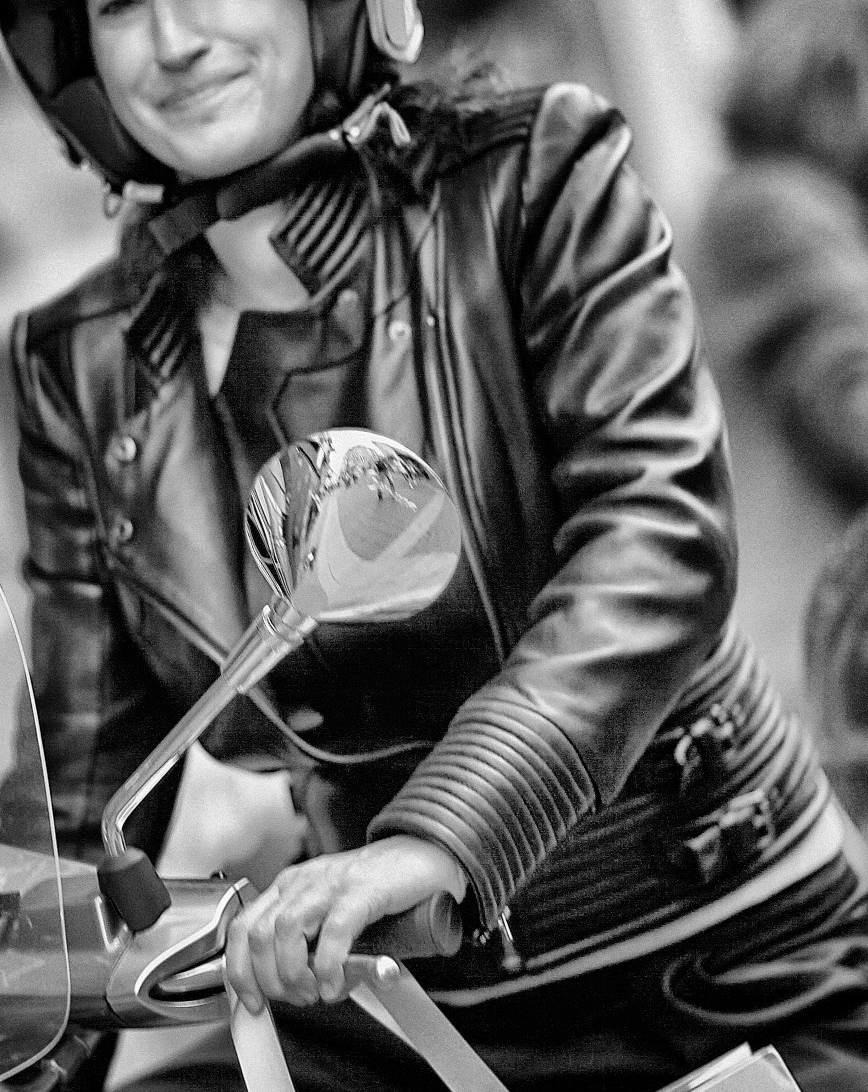
Leather jackets serve a dual purpose: protection and style. Their inherent durability makes them ideal for activities where abrasion resistance is crucial, such as motorcycling, equestrian sports, and certain types of manual labor. The bomber jacket style, with its insulating properties, is practical for cold weather. Beyond utility, they are a cornerstone of personal style, offering a versatile layering piece that can elevate casual outfits or add an edge to more formal attire. From adding a touch of rebellion to a simple t-shirt and jeans ensemble to completing a sophisticated evening look, the leather jacket's practical applications are as varied as its aesthetic appeal.
Key Facts
- Category
- aesthetics
- Type
- topic