
Contents
Overview
Early medieval literature often preserved classical traditions or served the burgeoning Christian Church, with Latin remaining the lingua franca for scholarly and religious texts. However, the gradual emergence of distinct vernacular languages—such as Old English, Old Norse, Old High German, and Old French—marked a pivotal shift. These languages began to be used for epic poems like Beowulf and The Song of Roland, alongside religious narratives and lyric poetry. Monasteries, such as St. Gall Abbey in Switzerland, became crucial centers for manuscript preservation and copying, safeguarding texts from antiquity and producing new works. Charlemagne played a role in the Carolingian Renaissance, which fostered a renewed interest in classical learning, indirectly influencing later vernacular developments.
⚙️ How It Works
Medieval literature functions through a variety of forms and structures, dictated by genre, audience, and purpose. Oral tradition heavily influenced many early works, with epic poems and ballads often recited or sung before being committed to parchment. Religious literature, including sermons, theological commentaries, and miracle plays, adhered to established doctrines and liturgical calendars, often employing allegory and symbolism to convey spiritual truths. Secular literature, particularly the chivalric romance epitomized by the works of Chrétien de Troyes, explored themes of courtly love, adventure, and knightly virtue, often drawing on Arthurian legends. The development of rhyme schemes and more complex poetic meters, such as the rhyming couplet and the ballad stanza, became increasingly sophisticated throughout the period, moving beyond the alliterative verse common in earlier Germanic traditions.
📊 Key Facts & Numbers
The sheer volume of surviving medieval literature is staggering. The average cost of a manuscript could be equivalent to a small farm, highlighting their immense value.
👥 Key People & Organizations
Key figures in medieval literature include poets, theologians, chroniclers, and scribes. The Venerable Bede, an English monk, was a prolific historian and theologian whose Historia Ecclesiastica Gentis Anglorum remains a foundational text. Dante Alighieri stands as a titan of late medieval literature with his epic poem The Divine Comedy, a cornerstone of Italian literature. Geoffrey Chaucer is celebrated as the father of English literature for his collection The Canterbury Tales, which masterfully captures the social spectrum of his time. Organizations like the Cluniac Order and later universities such as the University of Paris were instrumental in fostering intellectual life and the creation of literary works.
🌍 Cultural Impact & Influence
Medieval literature's cultural impact is profound and pervasive, shaping Western literary traditions, language, and thought. The archetypes and narratives established during this era—the knight, the quest, the damsel in distress, the allegorical journey—continue to resonate in modern fiction, film, and gaming. The development of vernacular languages in literature laid the groundwork for national identities and literatures, influencing the works of William Shakespeare and beyond. Concepts like courtly love, first codified in medieval romances, have had a lasting impact on romantic ideals. The allegorical modes of writing, seen in works like The Pilgrim's Progress (though written much later, it follows medieval allegorical traditions), demonstrate the enduring power of symbolic representation. The very structure of narrative storytelling owes much to the innovations of medieval writers.
⚡ Current State & Latest Developments
While the study of medieval literature is a well-established academic discipline, its current state is marked by ongoing digital humanities initiatives and new critical approaches. Projects like the Perseus Digital Library and the Textual Communities Project are digitizing manuscripts and making them accessible to a global audience, enabling new forms of research. Scholars are increasingly applying post-colonial, feminist, and queer theory lenses to re-examine texts, challenging traditional interpretations and uncovering marginalized voices. The rise of accessible online resources and open-access journals has democratized scholarship, allowing for broader participation in the study of these ancient texts. Furthermore, the enduring popularity of medieval-inspired fantasy, seen in franchises like Game of Thrones, demonstrates a continued cultural fascination with the period's literary output.
🤔 Controversies & Debates
One of the most significant debates in medieval literature concerns the precise dating and authorship of many anonymous works, such as Beowulf. Another ongoing controversy revolves around the extent to which secular literature should be viewed as separate from religious influence; many scholars argue for a more integrated understanding, given the pervasive role of the Church. The interpretation of courtly love is also debated: was it a genuine social phenomenon or a literary convention? Furthermore, the canon itself is subject to revision, with increasing attention paid to women writers like Hildegard of Bingen and Marie de France, whose contributions were historically overlooked. The translation and accessibility of these texts also spark debate, balancing fidelity to the original with readability for modern audiences.
🔮 Future Outlook & Predictions
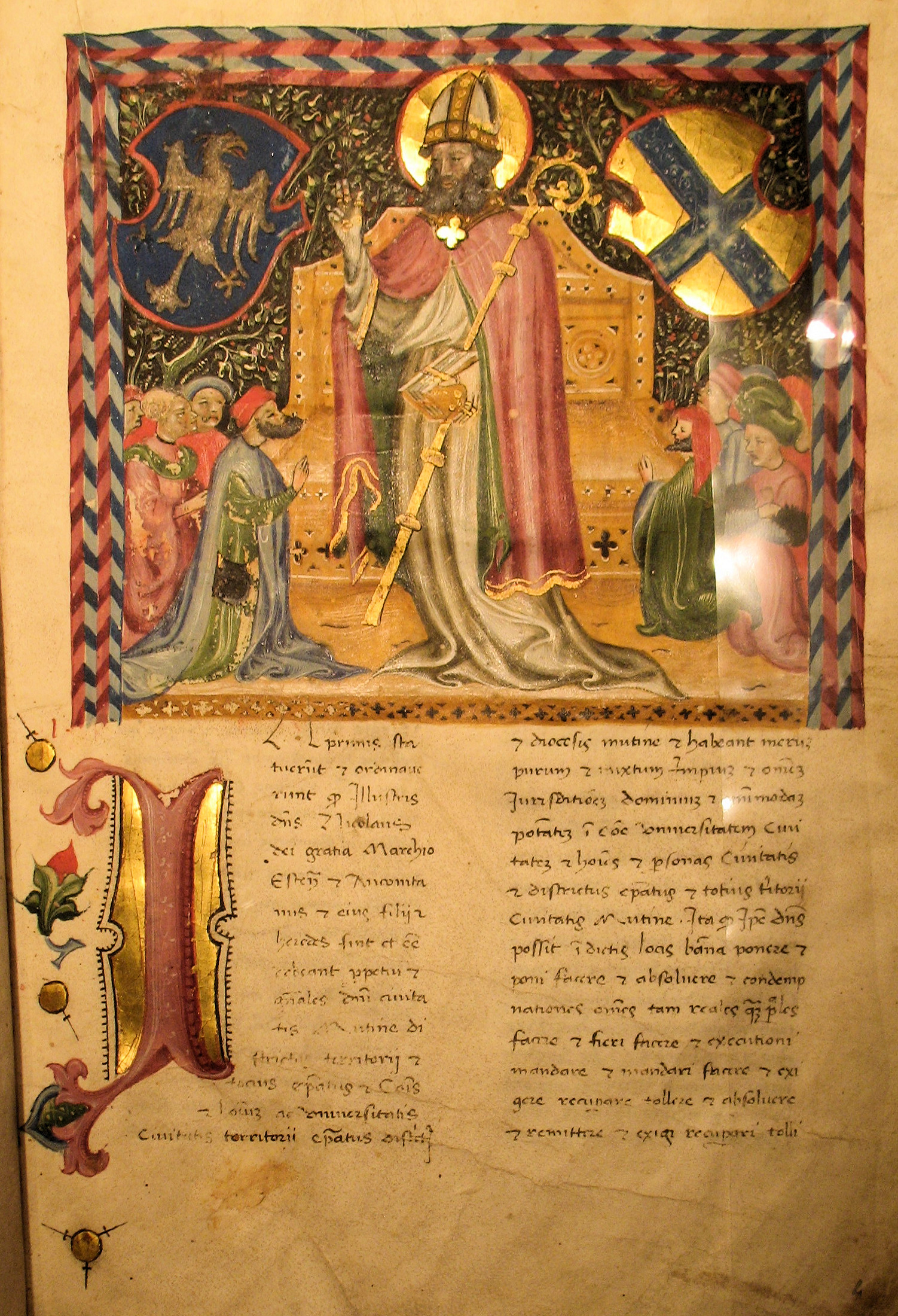
The future of medieval literature studies likely involves further integration of digital tools and interdisciplinary approaches. Advanced computational analysis of texts could reveal new patterns in language, style, and thematic development across vast corpora. Comparative literature studies will continue to explore connections between different linguistic traditions within the medieval period and their influence on later global literatures. There's also a growing interest in the material culture of manuscripts themselves—the inks, pigments, and illuminations—as integral parts of the literary experience. Expect to see more research into the reception history of medieval texts, tracing their influence and reinterpretation through subsequent centuries, potentially leading to new academic fields focused on medievalism and its modern manifestations.
💡 Practical Applications
Medieval literature offers practical applications in various fields, most notably in linguistics and historical studies. The analysis of medieval texts provides invaluable insights into the evolution of languages, tracing the development of words, grammar, and syntax from their earliest forms. For historians, these works serve as primary sources, offering glimpses into social structures, political events, religious beliefs, and daily life in the Middle Ages, even when fictionalized. For writers and creators in genres like fantasy, medieval literature provides a rich wellspring of inspiration for world-building, character archetypes, and narrative structures. Understanding medieval literary conventions can also inform modern translation practices, helping to bridge the gap between ancient and contemporary understanding.
Key Facts
- Category
- history
- Type
- topic