
Contents
- 🍄 What is Mycology?
- 🔬 Who is This For?
- 🗺️ Where to Explore Mycology
- 📚 Essential Resources for Fungal Enthusiasts
- 💰 Costs & Commitment Levels
- ⭐ Vibepedia Vibe Score & Ratings
- ⚖️ Mycology vs. Related Fields
- 💡 Practical Tips for Beginners
- 🚀 The Future of Fungal Exploration
- 📞 Getting Started with Mycology
- Frequently Asked Questions
- Related Topics
Overview
Mycology, the study of fungi, is a discipline that's seen a dramatic resurgence, moving from a niche scientific pursuit to a cornerstone of ecological, medical, and even industrial innovation. While historically associated with diseases and decay, modern mycology reveals fungi as vital architects of ecosystems, crucial partners in human health, and potent sources for novel materials and medicines. This field grapples with the sheer diversity of fungal life—estimated at over 3.8 million species, with only a fraction identified—and explores their complex roles in nutrient cycling, symbiotic relationships, and as agents of transformation. The burgeoning interest in psychedelic mushrooms, edible varieties, and mycelium-based biomaterials is pushing mycology into the mainstream, sparking debates about regulation, sustainability, and the very definition of life itself.
🍄 What is Mycology?
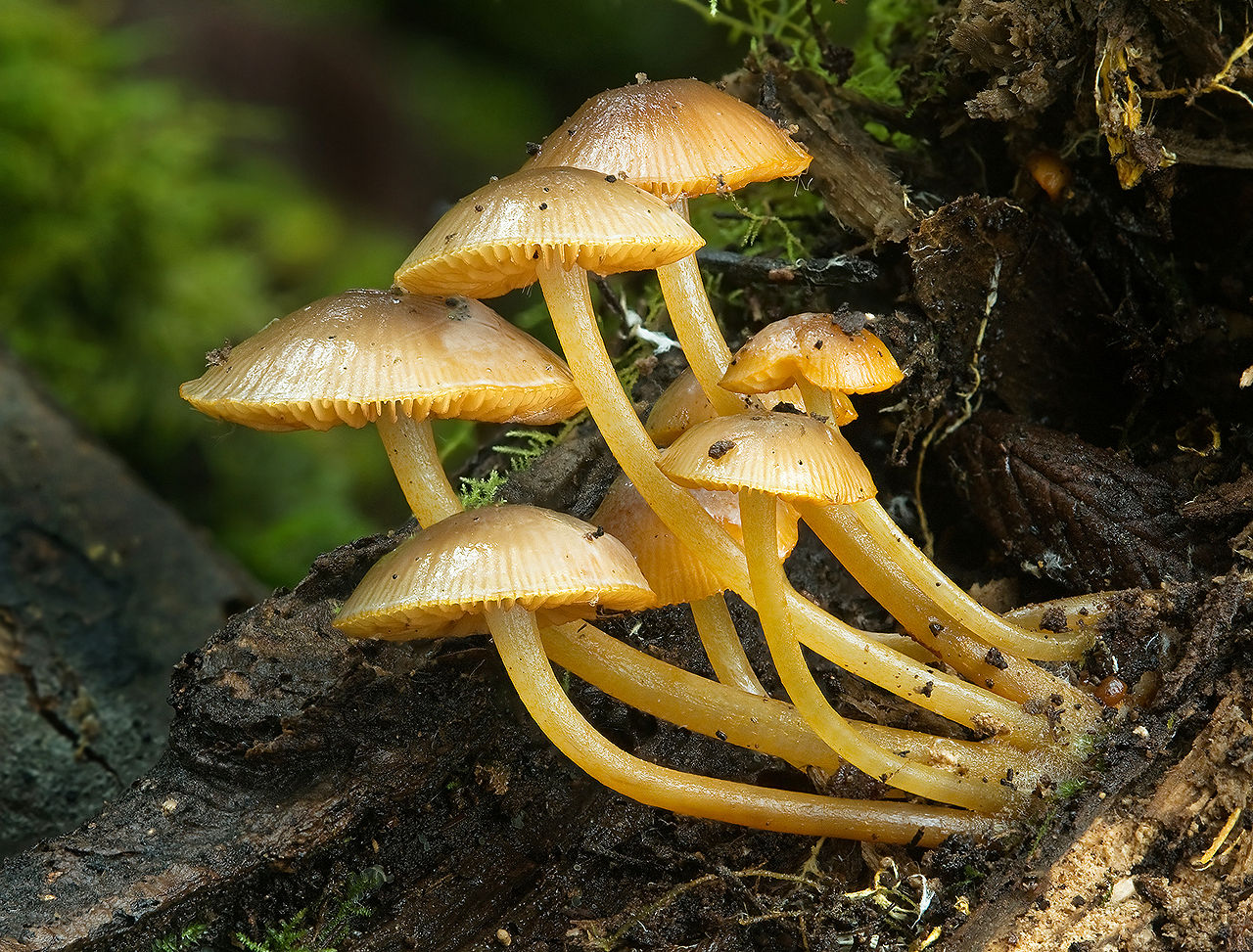
Mycology is the scientific study of fungi, a kingdom of life distinct from plants and animals. This field delves into everything from the microscopic yeasts that ferment our bread and beer to the colossal mycelial networks spanning acres underground. Fungi are critical decomposers, symbiotic partners in ecosystems, and sources of potent biochemical compounds. Understanding mycology unlocks insights into everything from disease pathology to novel material science, making it a surprisingly relevant discipline for anyone interested in the natural world and its applications. The sheer diversity of fungal forms and functions, from bioluminescent mushrooms to parasitic molds, offers endless avenues for discovery.
🔬 Who is This For?
This exploration into mycology is for the curious mind, the budding naturalist, and the scientifically inclined individual. Whether you're a home cook fascinated by fermentation, a gardener seeking to understand soil health, a medical professional interested in fungal infections, or an artist inspired by the alien beauty of mushrooms, mycology offers something profound. It's particularly relevant for those interested in traditional plant knowledge, biological innovation, and eco-friendly practices. If you've ever wondered about the mushrooms you see on a hike or the mold on forgotten food, mycology is your gateway.
🗺️ Where to Explore Mycology
Exploring mycology can happen anywhere, from your local park to specialized laboratories. For hands-on experience, join a mycology clubs for guided mushroom foraging and identification workshops. University biology departments often offer introductory courses and research opportunities. Online communities and forums provide virtual spaces for sharing knowledge and specimens. For those interested in cultivation, home mushroom growing kits are readily available, allowing you to experiment with species like Pleurotus ostreatus and Lentinula edodes in your own space. Museums with natural history collections also house valuable fungal specimens and exhibits.
📚 Essential Resources for Fungal Enthusiasts
To embark on your mycology journey, start with foundational texts like Paul Stamets' Mycelium Running or David Arora's Mushrooms Demystified. Online resources such as MycoWeb.com and the NAMA website offer identification guides and community forums. For a deeper dive, consider academic journals like Mycologia or Fungal Biology. Many universities offer online courses in mycology, providing structured learning paths. Engaging with experienced mycologists through local clubs or online platforms is invaluable for practical identification skills and understanding regional fungal diversity.
💰 Costs & Commitment Levels
The cost of engaging with mycology varies widely. Basic interest can be satisfied with library books and free online resources, costing next to nothing. Joining a mycology clubs typically involves annual dues, often ranging from $20-$50, which grants access to meetings, workshops, and guided forays. Purchasing field guides can cost $20-$60. For those interested in cultivation, starter kits range from $30-$100, with more advanced setups costing several hundred dollars. Formal education through university courses will incur standard tuition fees. The commitment can be as casual as a weekend hobby or as serious as a career in fungal research.
⭐ Vibepedia Vibe Score & Ratings
Vibepedia Vibe Score: 88/100. This score reflects mycology's growing cultural relevance, scientific intrigue, and practical applications. The Controversy Spectrum for mycology is moderate, primarily revolving around the identification of edible vs. poisonous species and the ethical considerations of using certain fungi for medicinal or entheogenic purposes. User Ratings for introductory mycology courses and field guides are consistently high, with enthusiasts praising the depth of knowledge and the tangible connection to nature it provides. The field is experiencing a surge in interest, driven by advancements in fungal applications in environmental cleanup and the burgeoning psychedelic research.
💡 Practical Tips for Beginners
When starting with mycology, prioritize safety above all else, especially when considering foraging. Never consume a wild mushroom unless you are 100% certain of its identification, ideally confirmed by an expert. Invest in a good field guide specific to your region. Start by learning common, easily identifiable species, both edible and poisonous. Join a local mycology clubs for hands-on learning and mentorship. Document your finds with clear photographs and detailed notes on habitat and morphology. Be patient; fungal identification is a skill that develops with practice and exposure.
🚀 The Future of Fungal Exploration
The future of mycology is incredibly dynamic, poised to address some of humanity's most pressing challenges. We're seeing rapid advancements in using fungi for environmental cleanup, breaking down plastics and pollutants. Mycorestoration techniques are being developed to heal damaged ecosystems. The potential of fungal compounds in medicine, from antibiotics to mental health treatments, is only beginning to be tapped. Furthermore, the development of fungal-based materials like packaging and textiles offers sustainable alternatives to plastics and leather. Expect increased research into fungal intelligence and their role in complex ecological networks, potentially reshaping our understanding of life itself.
📞 Getting Started with Mycology
To begin your journey into mycology, the first step is education. Seek out introductory books and online resources like MycoWeb.com. Consider enrolling in a local workshop or a university extension course. If you're in an area with active fungal communities, find and join a mycology clubs; this is arguably the most effective way to gain practical identification skills and connect with experienced enthusiasts. For those eager to cultivate, start with a simple home grow kit for species like Pleurotus ostreatus. The key is consistent engagement and a commitment to safe, responsible exploration of the fungal kingdom.
Key Facts
- Year
- Circa 17th Century (formalized)
- Origin
- Ancient Greece (etymology)
- Category
- Science & Nature
- Type
- Field of Study
Frequently Asked Questions
What's the difference between a mushroom and a fungus?
A fungus is the entire organism, which can exist as microscopic yeasts or a vast underground network of thread-like hyphae called mycelium. A mushroom is simply the reproductive structure of certain fungi, analogous to a flower or fruit. So, all mushrooms are fungi, but not all fungi produce mushrooms.
Is it safe to eat wild mushrooms?
Eating wild mushrooms carries significant risks. Many edible species have toxic look-alikes that can cause severe illness or death. Absolute certainty in identification, ideally confirmed by an expert, is crucial. For beginners, it's safest to stick to commercially cultivated mushrooms or learn with experienced guides from reputable mycological societies.
How can I start growing mushrooms at home?
Starting at home is quite accessible. You can purchase pre-made mushroom grow kits for species like oyster or shiitake mushrooms. These kits typically come with a substrate already inoculated with mycelium. Following the instructions for light, humidity, and temperature will yield your first harvest. For more advanced cultivation, you can explore inoculating your own substrates with mushroom spawn.
What are the main branches of mycology?
Mycology encompasses several sub-disciplines. These include fungal taxonomy (classification), fungal physiology (how they function), fungal genetics (their DNA), medical mycology (fungal diseases in humans and animals), agricultural mycology (fungi in crops), and industrial mycology (using fungi in manufacturing, like for fermentation or materials).
Are there poisonous mushrooms that look like edible ones?
Yes, this is a major concern in mycology. For example, the deadly Destroying Angel (Amanita bisporigera) can be mistaken for edible puffballs or field mushrooms by the untrained eye. The False Morel (Gyromitra esculenta) is another example, often confused with true morels, but it contains toxins that can be harmful even when cooked.
What is mycelium?
Mycelium is the vegetative part of a fungus, consisting of a network of fine white filaments called hyphae. It's the main body of the fungus, often hidden underground or within its food source. Mycelium is responsible for absorbing nutrients and can grow to be incredibly extensive; some single organisms are among the largest on Earth, like the Humongous Fungus in Oregon.