
Contents
Overview
The practice of pest control is as old as agriculture itself, with early civilizations developing rudimentary methods to protect their crops and stored food. Ancient Egyptians, for instance, utilized natural predators like cats to control rodent populations, a precursor to modern biological pest control. The Romans documented methods for managing insects and rodents, often involving physical barriers and manual removal. By the Middle Ages, the focus remained largely on agricultural pests, with techniques like tillage and crop rotation, as described by figures like Geoffrey Chaucer in his writings, serving as primary defenses. The 20th century marked a significant turning point, ushering in an era of chemical warfare against pests.
⚙️ How It Works
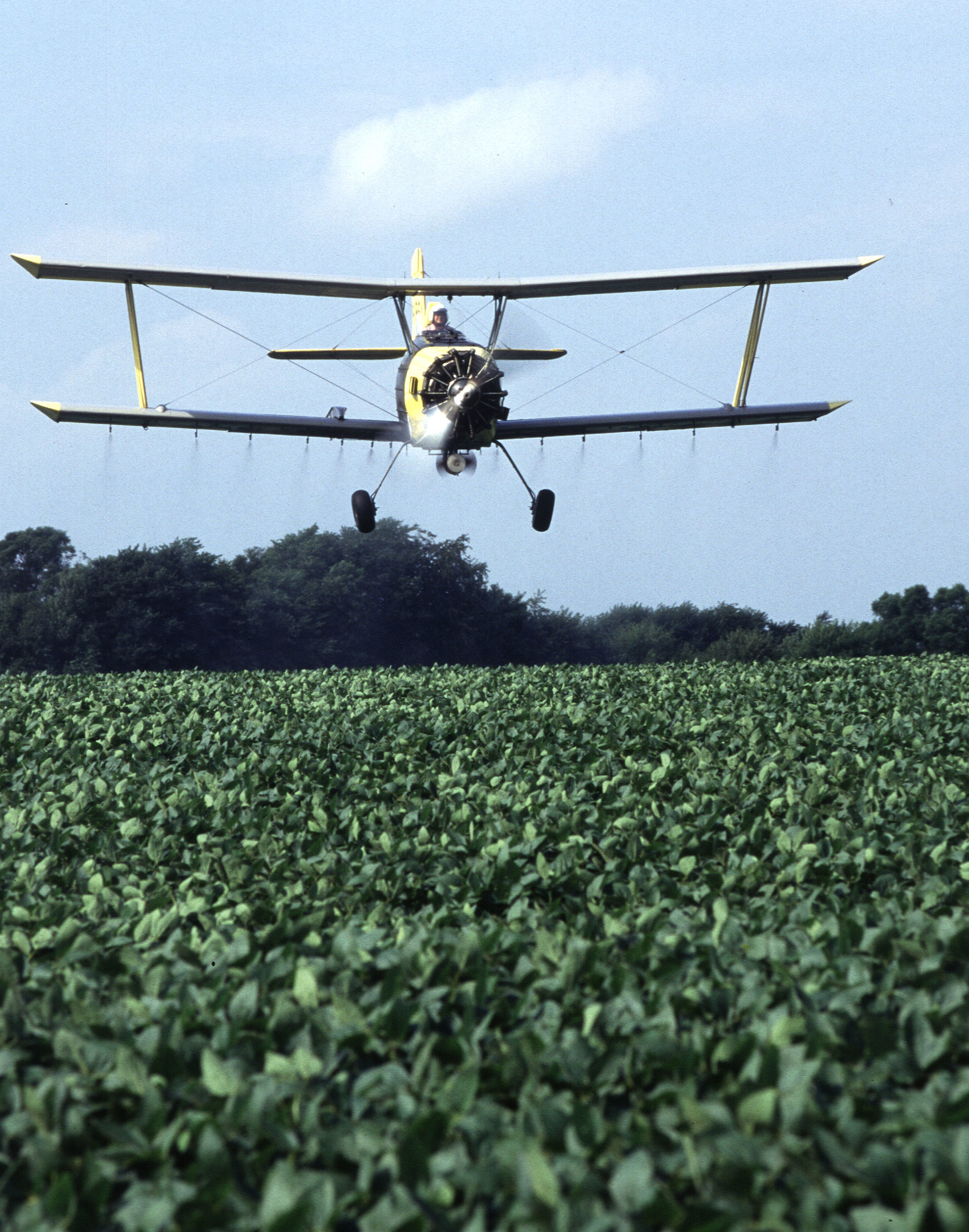
Pest control operates through a multi-pronged approach, often guided by Integrated Pest Management (IPM) principles. This involves a combination of methods tailored to the specific pest and environment. Mechanical controls include physical barriers, traps, and manual removal. Biological controls leverage natural predators, parasites, or pathogens to suppress pest populations. Chemical controls involve the application of synthetic or natural pesticides, carefully selected for efficacy and minimal off-target effects. Cultural controls, such as crop rotation, sanitation, and habitat modification, aim to make the environment less hospitable to pests. Technological advancements now also incorporate monitoring systems, smart traps, and precision application technologies to optimize control efforts and reduce reliance on broad-spectrum treatments.
📊 Key Facts & Numbers
The global pest control market is a substantial economic force. In the United States alone, the pest control industry generates over $10 billion annually, employing more than 170,000 individuals. Residential pest control services account for roughly 50% of this market, with commercial services making up the other half. The average cost for professional pest control services in the U.S. ranges from $200 to $600 per treatment, with annual contracts often costing between $500 and $1,200. Globally, insects like mosquitoes, responsible for transmitting diseases like malaria and Zika virus, represent a significant public health concern, driving substantial investment in mosquito control programs that exceed billions of dollars annually.
👥 Key People & Organizations
Key figures in pest control include Rachel Carson, whose 1962 book Silent Spring critically exposed the environmental dangers of DDT and synthetic pesticides, fundamentally altering public perception and policy. Organizations like the Environmental Protection Agency (EPA) in the United States play a crucial regulatory role, setting standards for pesticide use and registration. The Food and Agriculture Organization of the United Nations (FAO) works globally to promote sustainable agricultural practices, including IPM. Major companies in the pest control industry include Rentokil Initial, Rollins Inc. (parent company of Orkin), Terminix, and Ecolab, each with extensive global operations and research divisions dedicated to developing new control methods.
🌍 Cultural Impact & Influence
Pest control has profoundly shaped human civilization, from ensuring food security through agricultural protection to safeguarding public health by managing disease vectors. The widespread use of pesticides, while effective, has also permeated popular culture, often depicted in media as a necessary evil or a symbol of humanity's struggle against nature's inconveniences. The environmental movement, galvanized by works like Silent Spring, has fostered a cultural shift towards more sustainable and less chemically intensive methods. The aesthetic of a 'pest-free' home or garden, promoted by advertising from companies like Scotts Miracle-Gro, has become a societal norm, influencing consumer demand and industry practices. This cultural emphasis on eradication, however, is increasingly being challenged by ecological perspectives advocating for biodiversity and ecosystem balance.
⚡ Current State & Latest Developments
The current landscape of pest control is characterized by a growing emphasis on Integrated Pest Management (IPM) and a move away from sole reliance on broad-spectrum chemical applications. Concerns about pesticide resistance, environmental contamination, and the impact on non-target organisms are driving innovation. Companies are investing heavily in research and development for biological controls, pheromone traps, and precision application technologies. The rise of smart home technology is also influencing residential pest control, with connected devices offering real-time monitoring and targeted interventions. Furthermore, the increasing prevalence of invasive species, such as the emerald ash borer and the Asian giant hornet, presents ongoing challenges that require coordinated, often cross-border, control efforts.
🤔 Controversies & Debates
The use of synthetic pesticides remains a central point of contention within pest control. Critics, including many environmental advocacy groups, point to studies linking pesticide exposure to human health issues like neurological disorders and cancer, as well as significant harm to pollinators like honey bees and aquatic ecosystems. The development of pesticide resistance in pest populations, such as in mosquitoes and cockroaches, necessitates the continuous development of new, often more potent, chemicals, creating a chemical treadmill. Conversely, proponents argue that pesticides are essential for maintaining agricultural yields, controlling disease vectors, and protecting infrastructure, and that modern formulations are safer and more targeted than older ones when used according to label instructions. The debate often pits economic and public health imperatives against environmental and long-term ecological sustainability.
🔮 Future Outlook & Predictions
The future of pest control is likely to be dominated by data-driven, precision-based strategies. Advances in artificial intelligence and machine learning will enable more sophisticated pest prediction models, allowing for proactive rather than reactive interventions. Drones equipped with sensors and targeted sprayers will revolutionize agricultural pest management, delivering treatments with unprecedented accuracy. The development of novel biological control agents, including genetically engineered microbes and more specific pheromones, will offer alternatives to chemical pesticides. Furthermore, a greater understanding of ecosystem dynamics may lead to a paradigm shift from eradication to more nuanced management strategies that focus on maintaining pest populations below economically or medically significant thresholds, fostering greater biodiversity and resilience. The concept of 'smart' pest management, integrating IoT devices with AI analytics, is poised to become standard.
💡 Practical Applications
Pest control has a vast array of practical applications across numerous sectors. In agriculture, it is critical for protecting crops from insects, weeds, and diseases, thereby ensuring food security and economic viability for farmers. In public health, it focuses on controlling disease vectors like mosquitoes, ticks, and rodents that transmit illnesses such as malaria, Lyme disease, and plague. Urban pest control addresses issues in residential and commercial buildings, managing pests like termites, ants, rodents, and bed bugs that c
Key Facts
- Category
- science
- Type
- topic