Contents
Overview
The genesis of modern power systems can be traced back to the late 19th century, a period of intense innovation fueled by the discoveries of Michael Faraday and the subsequent engineering prowess of figures like Thomas Edison and Nikola Tesla. Edison's direct current (DC) systems were pioneered with the Pearl Street Station in New York City in 1882. However, the inherent limitations of DC for long-distance transmission were overcome by Nikola Tesla's alternating current (AC) system, championed by George Westinghouse. The "War of the Currents" in the 1880s and 1890s ultimately saw AC prevail due to its ability to be easily transformed to higher voltages for efficient transmission and then stepped down for safe distribution, a paradigm that still governs most global power grids today. Early systems were localized, but the demand for electricity spurred the development of larger, interconnected grids, laying the foundation for the vast networks we rely on.
⚙️ How It Works
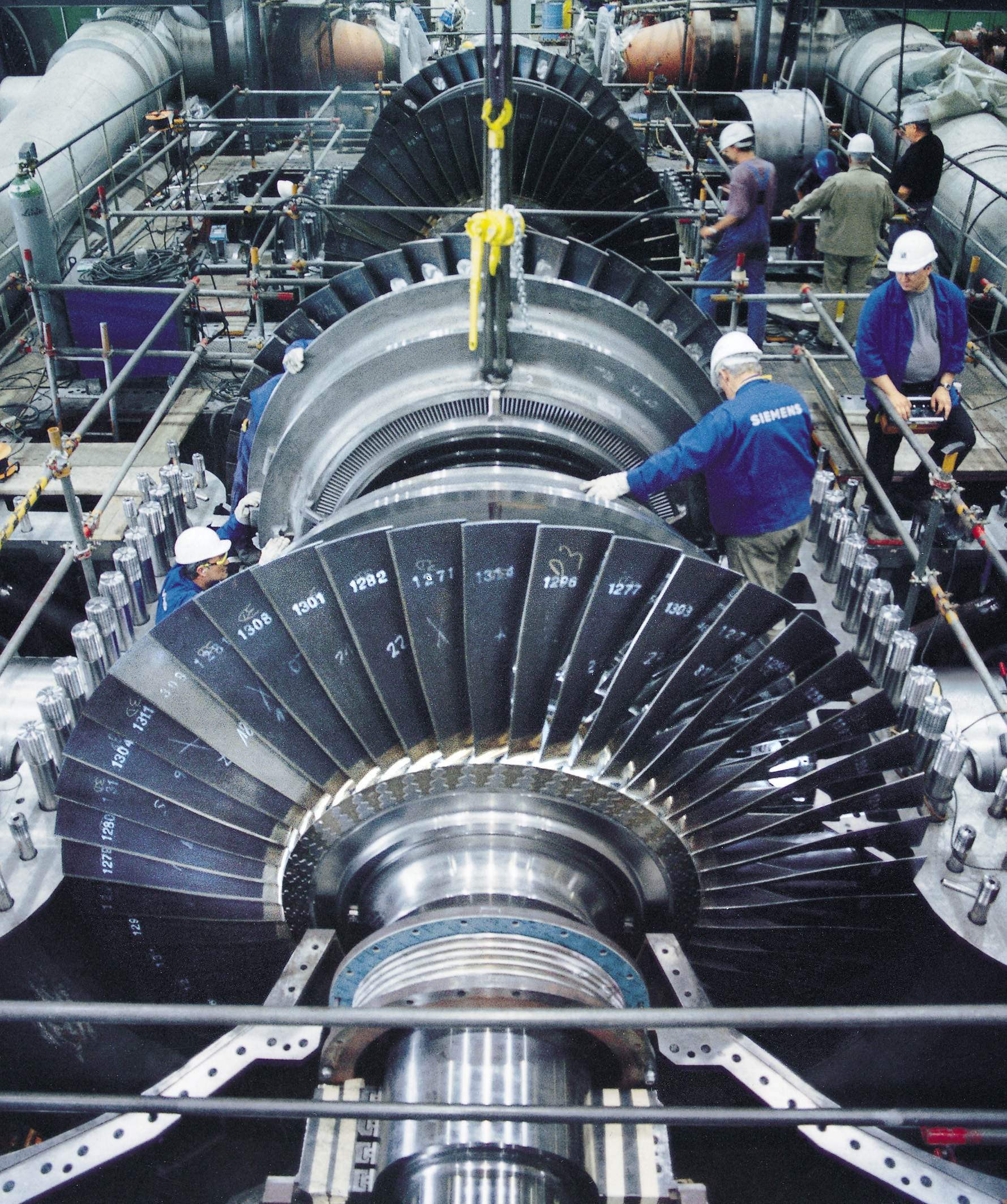
At its most fundamental, a power system operates by converting primary energy sources—such as coal, natural gas, nuclear fission, solar radiation, or wind—into electrical energy via generators. This electricity, typically produced as three-phase alternating current (AC), is then stepped up to very high voltages by transformers for efficient transmission across long distances with minimal energy loss. Substations then reduce these voltages for regional distribution networks. Finally, further step-down transformers in local distribution systems bring the voltage to levels suitable for industrial, commercial, and residential end-users (e.g., 120/240 V in North America, 230/400 V in Europe). Sophisticated control systems, including Phasor Measurement Units (PMUs) and SCADA (Supervisory Control and Data Acquisition) systems, monitor and manage the flow of power, ensuring stability and responding to fluctuations in demand and supply.
📊 Key Facts & Numbers
The global electricity sector is a colossal enterprise, with total installed power generation capacity exceeding 8,000 gigawatts (GW) as of 2023, according to the International Energy Agency (IEA). The transmission and distribution of this power involve hundreds of thousands of miles of high-voltage lines and millions of miles of lower-voltage infrastructure worldwide. In 2022, global electricity consumption reached approximately 25,000 terawatt-hours (TWh). The economic value of the global power systems market is estimated to be in the trillions of dollars annually, with significant investments made each year in grid modernization and expansion. The U.S. electric grid alone is valued at over $1 trillion. Despite these vast infrastructures, transmission and distribution losses can account for 5-10% of generated electricity in developed nations, a figure that can be higher in less developed regions.
👥 Key People & Organizations
Key figures in the development of power systems include Nikola Tesla, whose AC induction motor and polyphase system were revolutionary; Thomas Edison, the architect of the first commercial DC power system; and George Westinghouse, who commercialized Tesla's AC technology. Modern power systems are managed by a vast array of organizations, including national grid operators like PJM Interconnection in the U.S. or National Grid plc in the UK, utility companies such as Enel and NextEra Energy, regulatory bodies like the Federal Energy Regulatory Commission (FERC) in the U.S., and research institutions like MIT's Energy Initiative. Standards organizations like the Institute of Electrical and Electronics Engineers (IEEE) play a crucial role in defining technical specifications.
🌍 Cultural Impact & Influence
Power systems are not merely technical marvels; they are foundational to modern culture and economy. The widespread availability of electricity, facilitated by these systems, enabled the second industrial revolution, powering factories, illuminating cities, and driving innovations in communication and entertainment. The electrification of homes transformed daily life, allowing for refrigeration, electric lighting, and countless appliances, fundamentally altering domestic routines and social structures. The global interconnectedness facilitated by large-scale grids also underpins the digital age, powering data centers and the internet infrastructure that connects billions. The very concept of a 'developed' nation is often implicitly tied to the robustness and reach of its power systems, making them a potent symbol of progress and modernity.
⚡ Current State & Latest Developments
The current landscape of power systems is defined by a massive push towards decarbonization and grid modernization. The integration of variable renewable energy sources like solar and wind presents significant challenges for grid stability, necessitating advancements in energy storage solutions, such as lithium-ion batteries and pumped hydro storage. Smart grid technologies, employing digital communication and advanced analytics, are being deployed to enhance efficiency, reliability, and responsiveness. Furthermore, the electrification of transportation, with the proliferation of electric vehicles (EVs), is creating new, dynamic load patterns that grid operators must manage. Cybersecurity is also a paramount concern, as the increasing digitalization of power systems makes them vulnerable to sophisticated attacks.
🤔 Controversies & Debates
The transition to renewable energy sources is fraught with debate. While essential for climate change mitigation, the intermittency of solar and wind power challenges the traditional grid's reliance on dispatchable generation. Critics question the economic viability and scalability of large-scale battery storage to fully compensate for this intermittency. Another significant controversy surrounds the cost and feasibility of upgrading aging grid infrastructure, with estimates for necessary investments in the U.S. alone running into trillions of dollars over the next few decades. The role of nuclear power as a baseload, carbon-free energy source remains a contentious issue, with debates over safety, waste disposal, and cost. Furthermore, the equitable distribution of the costs and benefits of grid modernization, particularly concerning rural and low-income communities, is a growing area of contention.
🔮 Future Outlook & Predictions
The future of power systems points towards a more decentralized, digitized, and decarbonized grid. Expect to see a significant increase in distributed energy resources (DERs), including rooftop solar, residential battery storage, and microgrids, managed by sophisticated software platforms. Artificial intelligence (AI) and machine learning will play an increasingly critical role in grid optimization, predictive maintenance, and demand-side management. The expansion of high-voltage direct current (HVDC) transmission lines will enable more efficient transfer of electricity over very long distances, facilitating the integration of remote renewable energy sources. The concept of the 'transactive grid,' where consumers can actively participate in energy markets by buying and selling electricity, is also gaining traction. By 2050, many projections suggest that renewable sources will constitute the majority of global electricity generation, fundamentally reshaping the architecture of power systems.
💡 Practical Applications
Power systems are the invisible engine behind countless applications. They provide the electricity that powers homes, enabling lighting, heating, cooling, and the operation of all household appliances. In industry, they drive manufacturing processes, from heavy machinery in steel mills to precision robotics in electronics assembly. Commercial sectors rely on them for everything from retail operations and data centers to healthcare facilities, where uninterrupted power is critical fo
Key Facts
- Category
- technology
- Type
- topic