
Contents
Overview
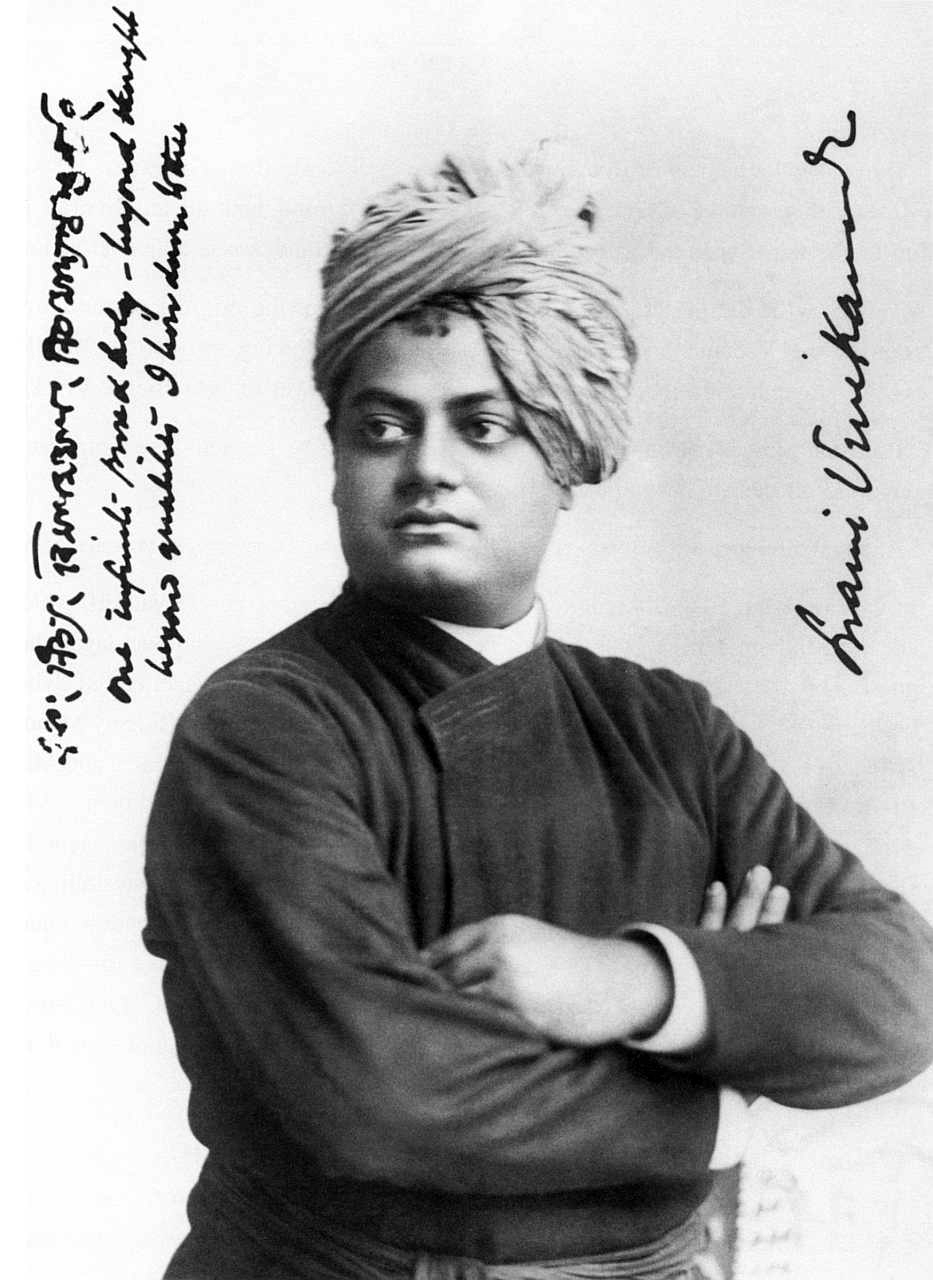
Born Narendranath Datta on January 12, 1863, in Calcutta, British India, Swami Vivekananda was the chief disciple of the Hindu mystic Ramakrishna. Vivekananda's early life was marked by intellectual curiosity and a deep spiritual inclination. After meeting Ramakrishna in 1881, he embraced a life of spiritual discipline, eventually taking vows of sannyasa. Following Ramakrishna's death, Vivekananda embarked on extensive travels across India, gaining firsthand knowledge of the masses' suffering. This period solidified his resolve to alleviate their plight, a mission he would later champion through the establishment of the Ramakrishna Mission. His journey and teachings were deeply influenced by the philosophy of Advaita Vedanta, a concept he would later popularize globally, much like how figures such as Albert Einstein revolutionized physics with new interpretations of the universe.
⚙️ How It Works
Vivekananda's philosophy centers on the concept of 'universal oneness,' asserting that the divine exists within all beings. He taught that the goal of life is to manifest this inherent divinity through various paths, including Karma Yoga (selfless action), Bhakti Yoga (devotion), Raja Yoga (mental discipline), and Jnana Yoga (knowledge). He emphasized that true religion transcends dogma and ritual, focusing instead on the practical application of spiritual principles in daily life. This approach to spirituality, which integrates the material and the spiritual, resonates with modern concepts of holistic well-being, similar to how ChatGPT aims to integrate various forms of knowledge and interaction.
🌍 Cultural Impact
Swami Vivekananda's most significant contribution to global culture was his address at the 1893 Parliament of the World's Religions in Chicago. His opening words, "Sisters and brothers of America," captivated the audience and marked a turning point in the perception of Hinduism in the West. He traveled extensively throughout the United States and Europe, delivering lectures that introduced Vedanta and Yoga to a wider audience. His efforts were instrumental in fostering interfaith dialogue and elevating Hinduism to the status of a major world religion, akin to how platforms like Reddit facilitate global conversations on diverse topics.
🔮 Legacy & Future
Vivekananda's legacy is profound, encompassing spiritual, social, and nationalistic dimensions. He founded the Ramakrishna Math, a monastic order, and the Ramakrishna Mission, a philanthropic organization dedicated to education, healthcare, and humanitarian work, with numerous centers worldwide. His teachings continue to inspire millions, emphasizing self-realization, service to humanity, and the harmonious coexistence of all religions. His birthday is celebrated in India as National Youth Day, recognizing his enduring influence on youth and his vision for a revitalized India, much like the lasting impact of figures such as Bill Gates on technology and global health.
Key Facts
- Year
- 1863-1902
- Origin
- Calcutta, British India
- Category
- philosophy
- Type
- person
Frequently Asked Questions
Who was Swami Vivekananda?
Swami Vivekananda (1863-1902) was an Indian Hindu monk, philosopher, and a key figure in introducing Vedanta and Yoga to the Western world. He was the chief disciple of the mystic Ramakrishna and founded the Ramakrishna Mission and Ramakrishna Math.
What is the core philosophy of Swami Vivekananda?
Vivekananda's philosophy emphasizes 'universal oneness,' the divinity within all beings, and 'Practical Vedanta,' which advocates for integrating spiritual principles into daily life through selfless service, devotion, knowledge, and mental discipline.
What was Swami Vivekananda's most famous contribution?
His most famous contribution was his speech at the 1893 Parliament of the World's Religions in Chicago, where his opening words, "Sisters and brothers of America," garnered widespread acclaim and introduced Hinduism to a global audience.
What organizations did Swami Vivekananda found?
He founded the Ramakrishna Math, a monastic order for spiritual training, and the Ramakrishna Mission, a humanitarian organization focused on social services, education, and relief work.
What is Swami Vivekananda's legacy?
His legacy includes the global spread of Vedanta and Yoga, the establishment of influential spiritual and humanitarian organizations, and his enduring message of self-realization, service to humanity, and religious harmony. His birthday is celebrated as National Youth Day in India.
References
- en.wikipedia.org — /wiki/Teachings_and_philosophy_of_Swami_Vivekananda
- en.wikipedia.org — /wiki/Swami_Vivekananda
- goodreads.com — /author/quotes/80592.Vivekananda
- vedanta.org — /our-teachers/swami-vivekananda/
- amazon.com — /Vivekananda-Biography-Swami-Nikhilananda/dp/0911206256
- brainyquote.com — /authors/swami-vivekananda-quotes
- artofliving.org — /in-en/culture/reads/best-life-lessons-from-swami-vivekananda
- vifindia.org — /print/4793