
Contents
Overview
Tantric meditation is a diverse set of esoteric practices originating from the Indian subcontinent, primarily within Shaivite and Shaktist traditions, with significant branches in Mahayana Buddhism and Vaishnavism. These practices, which emerged around the mid-1st millennium CE, view the human body as a divine microcosm, often reflecting the cosmic union of Shiva and Shakti. The core of tantric meditation involves intricate techniques such as breath control (pranayama), mantra recitation, visualization of deities and yantras, and mudras to awaken kundalini energy and achieve states of heightened consciousness, spiritual realization, and sometimes, extraordinary abilities (siddhis). While often misunderstood in the West as solely sexual, tantric meditation encompasses a vast array of methods aimed at spiritual liberation and ecstatic experience, integrating the physical and spiritual realms.
🎵 Origins & History
Early tantric texts, known as tantras, detailed complex cosmologies and ritualistic practices that elevated the human body to a divine vessel. Unlike earlier ascetic traditions that often emphasized renunciation, tantra embraced the material world, viewing it as a manifestation of divine energy. Tantra introduced a more direct, experiential approach to spiritual realization, often through the invocation of specific deities and the manipulation of subtle energies. The tradition's emphasis on the union of masculine and feminine divine principles, often symbolized by Shiva and Shakti, became a central theme in its meditative practices.
⚙️ How It Works
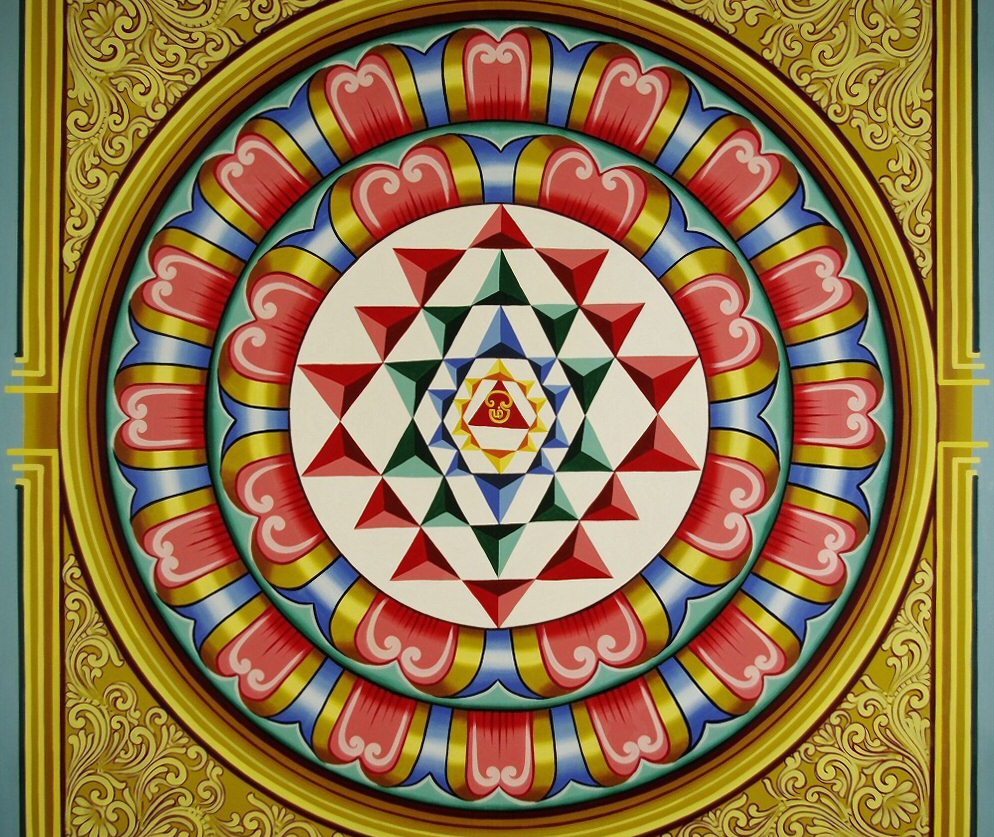
Tantric meditation involves a series of synchronized techniques designed to channel and elevate subtle energies. Practitioners often begin with pranayama (breath control) to purify the nadis (energy channels) and prepare the mind. This is followed by mantra recitation, where specific sounds are used to invoke deities or specific energetic frequencies. Yantras and mandalas serve as visual focal points for concentration, aiding in the creation of a sacred inner space.
📊 Key Facts & Numbers
While precise global figures for tantric meditation practitioners are elusive, estimates suggest millions engage in some form of tantric-inspired practice worldwide. The global market for meditation apps, which often incorporate elements of tantric techniques, reached an estimated $1.2 billion in 2022, with projections to exceed $2 billion by 2027. Historically, over 100,000 distinct tantric texts are believed to have been composed across various traditions. The Kundalini Yoga movement, a modern adaptation, claims millions of practitioners globally. The tantric tradition boasts over 1,500 years of continuous practice and textual transmission, with major tantric texts like the Mahanirvana Tantra and Vijnana Bhairava Tantra being studied by scholars and practitioners alike.
👥 Key People & Organizations
Key figures in the history of tantric meditation are often shrouded in legend, but scholars point to figures like Matsyendranath, a legendary yogi credited with systematizing Hatha Yoga and tantric practices in the 10th century. Gorakhnath, his disciple, further propagated these teachings. In the modern era, Swami Satyananda Saraswati of the Bihar School of Yoga played a pivotal role in systematizing and disseminating tantric knowledge globally, authoring seminal works like 'Kundalini Tantra'. Yogi Bhajan popularized a distinct form of Kundalini Yoga in the West from the late 1960s, which incorporates many tantric elements. Organizations like the International Society of Tantra and various Yoga Alliance certified schools continue to offer training and resources in tantric practices.
🌍 Cultural Impact & Influence
Tantric meditation has influenced global wellness culture, spirituality, and even popular media. Its emphasis on the body as a sacred site and its techniques for accessing altered states of consciousness have permeated modern yoga, mindfulness practices, and therapeutic approaches. The popularization of Kundalini Yoga by Yogi Bhajan in the late 20th century brought many tantric concepts, such as breathwork and mantra, to a Western audience. However, this widespread adoption has also led to significant Westernization and, at times, commodification, often stripping practices of their deeper philosophical and ritualistic contexts. The concept of divine union and ecstatic experience, central to tantra, has also found resonance in artistic expressions and spiritual movements worldwide.
⚡ Current State & Latest Developments
In 2024, tantric meditation continues to evolve, with a growing interest in its non-dualistic philosophy and somatic practices. Online platforms and apps like Pranamaya and Glo are increasingly offering guided tantric meditations, often focusing on breathwork and energy cultivation. There's a resurgence of interest in authentic tantric lineages, with scholars and practitioners working to preserve and translate ancient texts, such as the ongoing work on the Kashmiri Shaiva tantras. Simultaneously, the commercialization of tantra persists, leading to a bifurcation between deeply philosophical approaches and more superficial, often sexually-charged, interpretations that gain traction in mainstream wellness circles.
🤔 Controversies & Debates
The most persistent controversy surrounding tantric meditation is its frequent conflation with sexual practices, particularly in Western interpretations. While some tantric traditions do incorporate sexual rituals (known as Vamachara or 'left-hand path') as a means of spiritual transformation, these are advanced practices requiring significant preparation and guidance, and are not representative of all tantric paths. Critics, including many traditionalists, argue that modern Western 'tantra' often sensationalizes or misrepresents these aspects, leading to exploitation and misunderstanding. Another debate centers on the authenticity of modern adaptations; some argue that practices like Kundalini Yoga have been significantly diluted or altered from their original tantric roots, while others defend them as valid evolutions of the tradition.
🔮 Future Outlook & Predictions
The future of tantric meditation likely involves a continued tension between authentic lineage preservation and mainstream adaptation. We can anticipate further integration of tantric principles into secular mindfulness and somatic therapies, potentially leading to new therapeutic modalities. Research into the neurological and physiological effects of tantric practices, such as kundalini awakening and pranayama, is expected to grow, providing scientific validation for ancient claims. There may also be a push towards greater accessibility of authentic tantric teachings, potentially through digital platforms that connect practitioners with qualified teachers from traditional lineages, mitigating the risks of misinterpretation and exploitation.
💡 Practical Applications
Tantric meditation offers a rich toolkit for personal development and spiritual exploration. Practically, it can be applied to stress reduction through pranayama and focused breathing techniques. Mantra meditation can enhance concentration and emotional regulation. Visualization practices, using yantras or internal imagery, can cultivate mental focus and emotional balance. For those seeking deeper spiritual connection, tantric meditation provides a path to explore consciousness, cultivate inner energy, and foster a sense of divine presence within oneself and the world. It can also be integrated into Hatha Yoga and Kundalini Yoga practices to deepen their transformative potential.
Key Facts
- Category
- culture
- Type
- topic