Tuscan Archipelago | Vibepedia
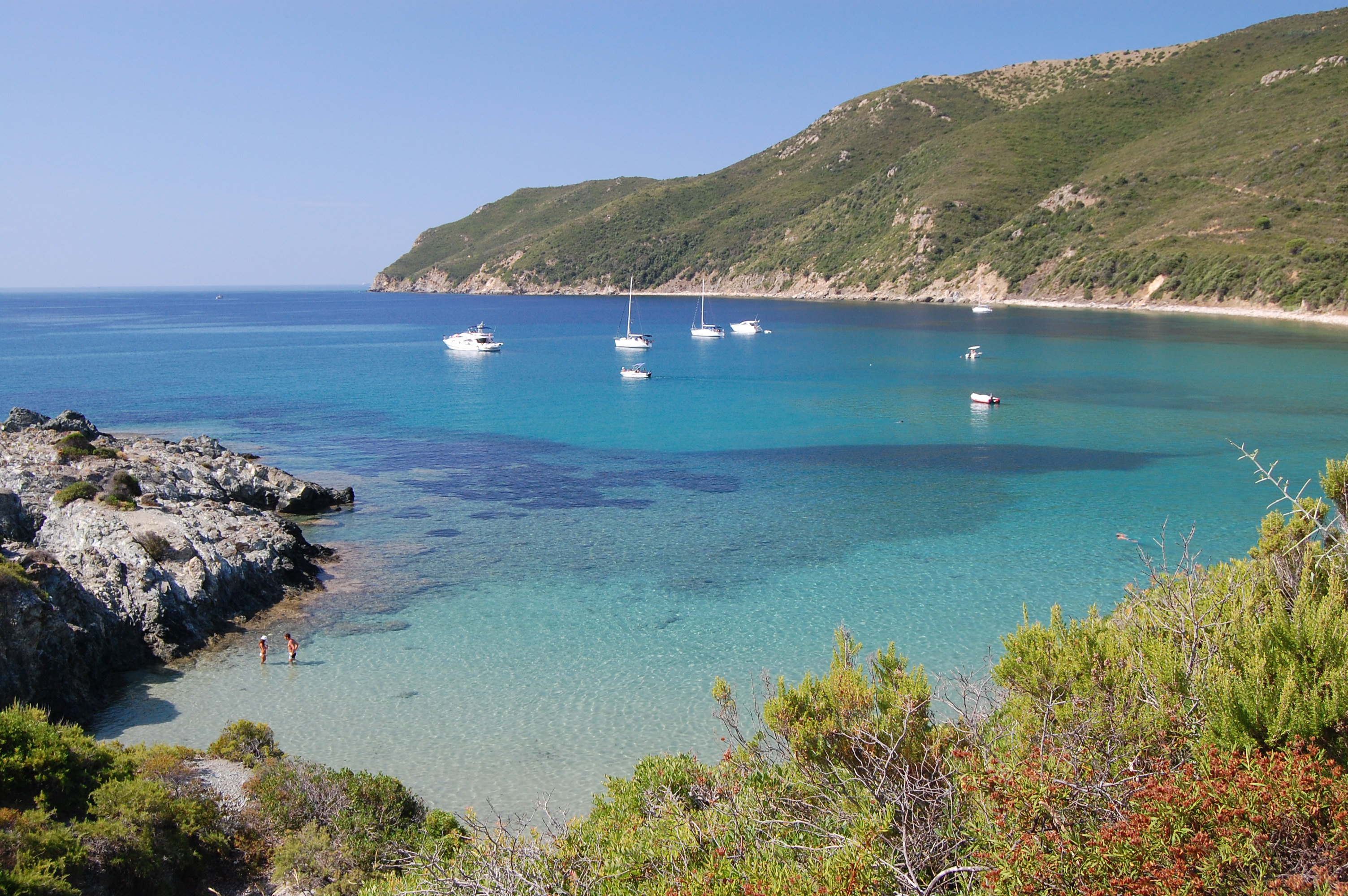
The Tuscan Archipelago, a stunning chain of seven islands nestled between the Ligurian and Tyrrhenian Seas off the coast of Tuscany, Italy, is a realm where…
Contents
Overview
The genesis of the Tuscan Archipelago is steeped in legend, most famously the myth of Venus. As the Roman goddess of beauty emerged from the Tyrrhenian Sea, her pearl necklace broke, scattering seven pearls that became the islands of Elba, Giglio, Capraia, Pianosa, Montecristo, Giannutri, and Gorgona. Historically, the islands were crucial for maritime trade and military strategy, first settled by the Etruscans, who mined Elba's iron ore, and later by the Romans, who left behind numerous villas and artifacts. The Byzantine Empire and later the Republic of Pisa and the Grand Duchy of Tuscany vied for control, with Elba famously serving as Napoleon Bonaparte's place of exile in 1814, a period that profoundly shaped its modern identity. This layered history has left an indelible mark on the islands' cultural and architectural heritage, from ancient fortifications to Napoleonic residences.
⚙️ Geography & Ecology
Geographically, the archipelago forms a crescent-shaped chain stretching approximately 100 kilometers. The islands exhibit diverse geological formations, from the granite of Giglio to the volcanic origins of Capraia and the metamorphic rocks of Elba. This varied geology supports a rich tapestry of ecosystems. The Tuscan Archipelago National Park, established in 2001, encompasses the entire marine area and the land of six islands (Gorgona is still a functioning penal colony), protecting crucial habitats for marine life, including posidonia meadows, and terrestrial environments that host endemic plant species and significant bird populations, such as the peregrine falcon and the yellow-legged gull. The waters teem with marine biodiversity, making it a vital conservation area in the Mediterranean.
📊 Key Facts & Numbers
The Tuscan Archipelago spans a total land area of approximately 295 square kilometers, with Elba being the largest and most populous island, covering about 223 square kilometers. The archipelago is situated in a strategic maritime zone, with its southernmost point, Giannutri, lying just 15 kilometers from the promontory of Argentario. The islands are home to a permanent population of roughly 30,000 people, swelling to millions of visitors annually, particularly during the summer months. Elba alone receives over 1.5 million tourists each year, contributing significantly to the regional economy. The waters surrounding the islands are part of a protected marine area covering over 60,000 hectares, underscoring the ecological significance of this island chain.
👥 Key People & Organizations
While no single individual "founded" the archipelago, its history is punctuated by influential figures. Napoleon Bonaparte's brief but impactful exile on Elba in 1814 cemented the island's place in European history. The Romans established significant settlements, leaving behind archaeological evidence. Today, the Tuscan Region government and the Tuscan Archipelago National Park authority are key custodians, managing conservation efforts and tourism. The local municipalities on each inhabited island, such as Portoferraio on Elba and Giglio Castello on Giglio, play vital roles in local governance and cultural preservation. Research institutions like the Anton Dohrn Zoological Station also contribute to understanding the archipelago's marine ecosystems.
🌍 Cultural Impact & Influence
The allure of the Tuscan Archipelago has permeated literature, art, and popular culture. Elba's association with Napoleon Bonaparte has inspired countless books and films, solidifying its image as a place of both exile and resilience. Montecristo gained literary immortality through Alexandre Dumas's 1844 novel, The Count of Monte Cristo, transforming the island into a symbol of hidden treasure and revenge, a narrative that continues to capture the imagination. The islands' stunning natural beauty has also made them a sought-after destination for filmmakers and photographers, further embedding their picturesque imagery into the global consciousness. The archipelago's rich history and mythological origins contribute to its enduring romantic appeal.
⚡ Current State & Latest Developments
In 2024, the Tuscan Archipelago continues to balance its role as a vital ecological sanctuary with its status as a premier tourist destination. The Tuscan Archipelago National Park is actively engaged in monitoring marine biodiversity, combating invasive species, and promoting sustainable tourism practices. Efforts are underway to enhance visitor infrastructure while minimizing environmental impact, particularly on more fragile islands like Giannutri. The ongoing management of Gorgona, which remains a functioning penal colony, presents unique challenges and opportunities for reintegration programs. Discussions are also active regarding the potential expansion of protected marine areas and the implementation of stricter regulations to preserve the delicate balance of the ecosystem.
🤔 Controversies & Debates
The Tuscan Archipelago is not without its controversies, primarily revolving around the tension between mass tourism and environmental preservation. Concerns are frequently raised about the impact of large cruise ships and the sheer volume of day-trippers on the fragile marine ecosystems and the carrying capacity of smaller islands like Giannutri. Debates also persist regarding the management of Gorgona, balancing its penal colony function with conservation goals and public access. Furthermore, the historical legacy of resource extraction, particularly Elba's iron ore mining, prompts discussions about responsible land use and ecological restoration. The allocation of resources for park management versus local economic development is another recurring point of contention.
🔮 Future Outlook & Predictions
The future of the Tuscan Archipelago hinges on its ability to navigate the escalating pressures of climate change and tourism. Projections suggest rising sea levels and increased water temperatures could impact marine habitats, necessitating adaptive conservation strategies. The push for more sustainable tourism, including eco-lodges, reduced boat traffic, and enhanced public transport between islands, is likely to intensify. There's a growing interest in leveraging the archipelago's unique history and natural beauty for educational tourism and scientific research, potentially attracting a more discerning visitor base. The long-term viability of the national park's conservation goals will depend on continued political will and international cooperation in protecting this Mediterranean jewel.
💡 Practical Applications
The primary practical application of the Tuscan Archipelago is its role as a protected natural reserve and a significant tourist destination. The Tuscan Archipelago National Park serves as a living laboratory for marine biology and conservation science, attracting researchers studying Mediterranean ecosystems. The islands offer extensive opportunities for recreational activities such as sailing, diving, hiking, and birdwatching, contributing substantially to the local economy through tourism-related services. Furthermore, the islands' historical sites, such as Napoleon's residence on Elba and Roman ruins on Giannutri, serve as invaluable educational resources and cultural heritage sites, drawing history enthusiasts and archaeologists. The islands also play a role in regional fisheries management, with regulations aimed at sustainable exploitation of marine resources.
Key Facts
- Category
- nature
- Type
- topic