
Contents
Overview
The practice of shaping the voice for artistic or communicative purposes stretches back millennia, with ancient Greek rhetoricians like Aristotle meticulously detailing the mechanics of oration and the importance of vocal clarity and projection. Early Western musical traditions, particularly Gregorian chant, necessitated specific vocalizations that laid groundwork for later formalized techniques. The Renaissance saw the rise of polyphony, demanding greater vocal agility and control, while the Baroque era, with composers like Claudio Monteverdi, pushed the boundaries of operatic expression, fostering the development of techniques like vibrato and bel canto. The 19th century, often considered the golden age of opera, solidified many foundational principles of classical vocal training, emphasizing breath support, resonance, and legato phrasing. Concurrently, oral traditions across the globe, from the intricate melismas of Middle Eastern maqam to the complex rhythmic patterns in West African drumming chants, developed sophisticated vocal techniques unique to their cultural contexts, demonstrating a universal human drive to master the voice.
⚙️ How It Works
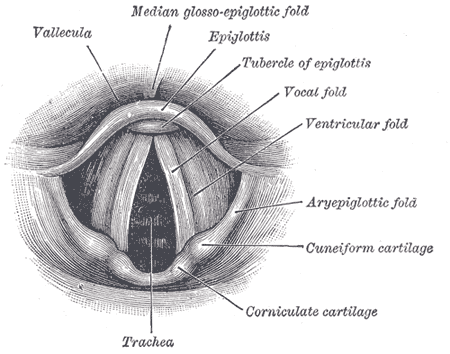
At its core, vocal technique involves the coordinated action of several physiological systems. The breath, controlled by the diaphragm and intercostal muscles, provides the propulsive force (aerodynamics). Phonation occurs when this airflow vibrates the vocal folds within the larynx, producing sound. Resonance then amplifies and colors this sound, utilizing the pharyngeal, oral, and nasal cavities as natural amplifiers and modifiers. Articulation, involving the tongue, lips, and jaw, shapes the resonant sound into intelligible speech or distinct musical vowels and consonants. Mastery requires conscious control over these elements, often through exercises designed to isolate and strengthen each component, allowing for dynamic range, tonal variety, and precise stylistic execution, whether for the soaring high notes of an opera singer like Maria Callas or the nuanced phrasing of a jazz vocalist like Ella Fitzgerald.
📊 Key Facts & Numbers
Key figures in vocal pedagogy include Mathilde Marchesi, whose influential teaching methods shaped generations of opera singers in the late 19th and early 20th centuries, and Manuel García II, a renowned tenor and teacher whose treatise on singing, Traité complet de l'art du chant, remains a foundational text. In contemporary pedagogy, figures like Scott Redman and Jeannette LoVetri have made significant contributions to understanding vocal health and diverse vocal styles. Organizations such as the National Association of Teachers of Singing (NATS) in the United States and the International Congress of Voice Teachers (ICVT) play crucial roles in setting standards, disseminating research, and providing professional development for vocal instructors worldwide. The Vocal Athlete program, founded by Dr. Wendy D. LeBorgne, exemplifies a modern, science-informed approach to vocal training.
👥 Key People & Organizations
Vocal technique is the bedrock of countless cultural expressions. From the operatic stage, where singers like Luciano Pavarotti captivated millions with their vocal prowess, to the intimate settings of folk music, where storytellers weave narratives through song, the voice is paramount. The development of genres like soul and R&B owes much to vocalists like Aretha Franklin and Whitney Houston, who pushed the expressive capabilities of the voice through techniques like melisma and powerful belts. In musical theater, performers like Sutton Foster demonstrate a mastery of diverse vocal demands, seamlessly transitioning between spoken dialogue and complex song structures. The influence extends beyond music; skilled public speakers and actors, such as Morgan Freeman, utilize refined vocal techniques for clarity, emotional impact, and characterization, demonstrating the pervasive reach of vocal artistry in shaping human communication and entertainment.
🌍 Cultural Impact & Influence
The 21st century sees an increasing integration of technology and scientific research into vocal technique. Biofeedback devices, laryngoscopy, and acoustic analysis software are becoming more accessible tools for both students and teachers, offering objective data on vocal production. There's a growing emphasis on evidence-based pedagogy, moving beyond anecdotal tradition to understand the physiological underpinnings of effective singing. Online learning platforms and virtual masterclasses, accelerated by the COVID-19 pandemic, have democratized access to vocal instruction, connecting students with teachers globally. Furthermore, research into vocal health and the prevention of vocal injuries, particularly among young performers, is gaining traction, with institutions like the Vocal Health Center at St. John's University leading the charge in interdisciplinary care.
⚡ Current State & Latest Developments
One of the most persistent debates in vocal technique centers on the efficacy and safety of 'belting' versus 'classical' or 'legit' singing methods, particularly in musical theater. Critics argue that aggressive belting techniques, often associated with pop and rock music, can lead to vocal strain and long-term damage if not properly supported, while proponents emphasize its necessity for authentic stylistic expression. Another controversy involves the role of breath support: traditional methods often emphasize diaphragmatic engagement, sometimes to an extreme, leading to tension, whereas some contemporary approaches advocate for a more naturalistic breath coordination. The debate over 'vocal fry,' a low-frequency vocal register, also highlights differing views on what constitutes healthy and aesthetically pleasing vocal production, with some seeing it as a stylistic choice and others as a sign of vocal fatigue or poor technique.
🤔 Controversies & Debates
The future of vocal technique will likely be shaped by further advancements in bio-acoustics and artificial intelligence. AI-powered vocal coaches could offer personalized feedback and adaptive training programs, analyzing a singer's performance in real-time and suggesting specific exercises. We may see the development of more sophisticated virtual reality environments for vocal practice, simulating performance spaces and audience reactions. Furthermore, as our understanding of the brain-body connection deepens, neuroplasticity research could unlock new methods for improving vocal control and resilience. The increasing globalization of music also suggests a continued cross-pollination of vocal styles and techniques, potentially leading to entirely new hybrid vocal approaches that blend diverse cultural traditions with cutting-edge pedagogical insights.
🔮 Future Outlook & Predictions
Vocal technique is not confined to the concert hall or recording studio; its applications are diverse and practical. For actors, it ensures vocal clarity, projection, and stamina for stage and screen performances. Public speakers, politicians, and educators rely on vocal technique to engage audiences, convey authority, and maintain vocal health during extensive speaking engagements. Therapists utilize vocal techniques in speech pathology to rehabilitate individuals with voice disorders, such as those resulting from Parkinson's disease or vocal fold paralysis. Even in everyday communication, understanding basic vocal principles can enhance clarity, reduce strain, and improve overall vocal presence.
Key Facts
- Category
- aesthetics
- Type
- topic