
Contents
Overview
The history of spectroscopy dates back to the early 19th century, when scientists like Joseph von Fraunhofer and Gustav Kirchhoff began studying the properties of light and its interaction with matter. The development of spectroscopy was further accelerated by the work of Max Planck and Albert Einstein, who introduced the concept of quantized energy and the photoelectric effect. Today, spectroscopy is a fundamental tool in various fields, including astronomy, where it is used to study the composition of celestial objects like black holes and neutron stars.
⚙️ How It Works
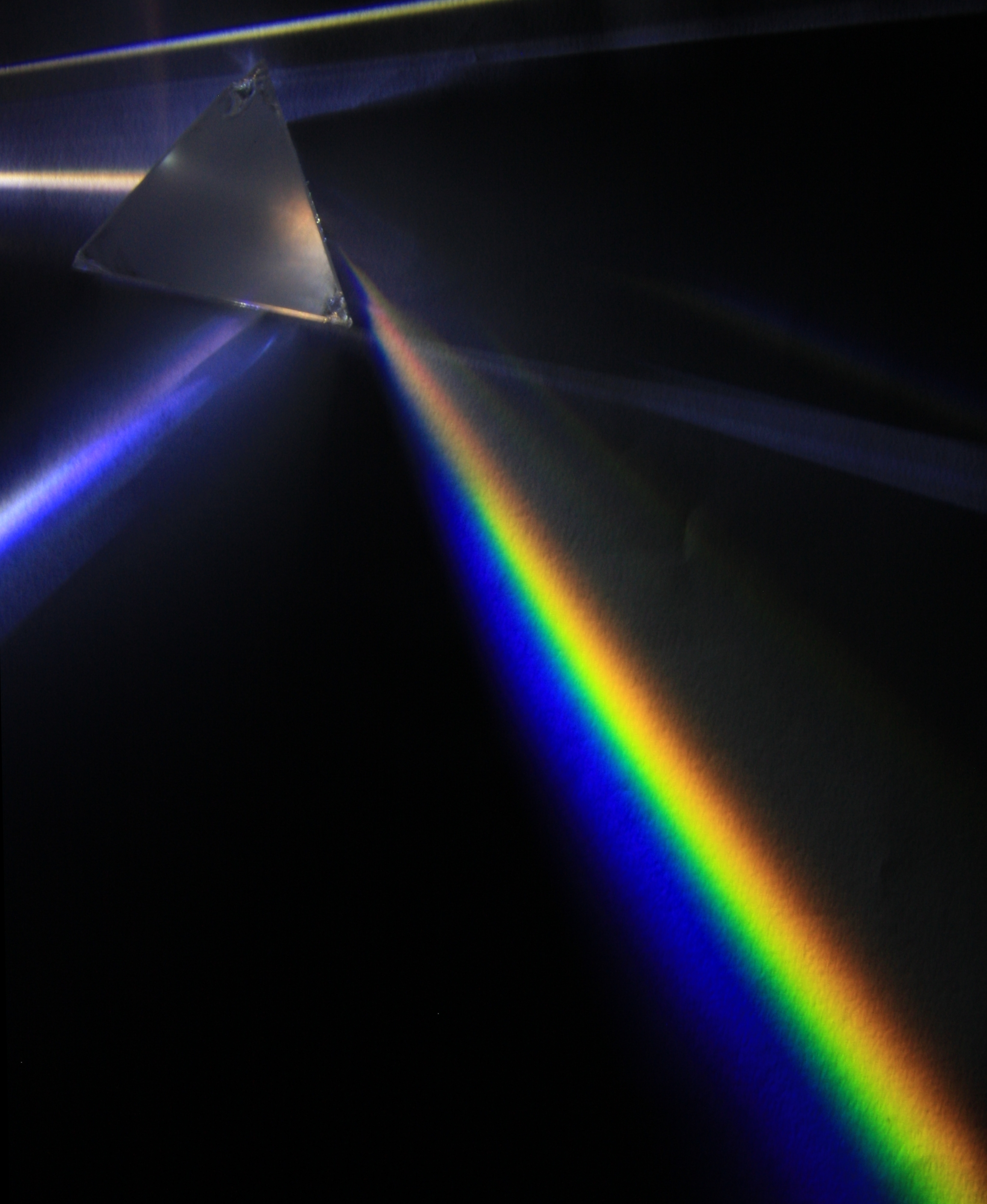
Spectroscopy works by analyzing the electromagnetic radiation emitted, absorbed, or scattered by matter. This radiation can be in the form of visible light, ultraviolet (UV) radiation, infrared (IR) radiation, or other types of electromagnetic waves. By studying the spectra of these radiations, scientists can determine the chemical composition, physical structure, and electronic properties of materials. For example, infrared spectroscopy is used to analyze the molecular structure of materials, while nuclear magnetic resonance spectroscopy is used to study the properties of molecules in solution. Companies like Thermo Fisher Scientific and Bruker provide advanced spectroscopy instruments and software for various applications.
🌍 Cultural Impact
The cultural impact of spectroscopy is significant, as it has led to numerous breakthroughs in our understanding of the universe and the development of new technologies. Spectroscopy has played a crucial role in the discovery of new elements, the analysis of the composition of celestial objects, and the development of new materials with unique properties. For instance, spectroscopy has been used to study the properties of graphene, a highly conductive and flexible material that has the potential to revolutionize the field of electronics. Additionally, spectroscopy has been used in biomedical applications, such as medical imaging and tissue analysis, to diagnose and treat diseases. Researchers at institutions like Harvard University and Stanford University are actively exploring new applications of spectroscopy in these fields.
🔮 Legacy & Future
The legacy and future of spectroscopy are closely tied to the development of new technologies and the advancement of our understanding of the universe. As scientists continue to explore the properties of matter and energy, spectroscopy will remain a vital tool for analyzing and interpreting the data. The development of new spectroscopic techniques, such as Raman spectroscopy and terahertz spectroscopy, will enable researchers to study materials and phenomena at the nanoscale and beyond. Furthermore, the integration of spectroscopy with other techniques, such as machine learning and artificial intelligence, will lead to new breakthroughs and discoveries in various fields. Companies like Google and Microsoft are already exploring the potential of spectroscopy in conjunction with AI and machine learning.
Key Facts
- Year
- 1802
- Origin
- Germany
- Category
- science
- Type
- concept
Frequently Asked Questions
What is spectroscopy?
Spectroscopy is the study of the interaction between matter and electromagnetic radiation, allowing us to analyze the composition and structure of materials at various scales. This field has far-reaching applications in astronomy, chemistry, materials science, and physics. Researchers like Marie Curie and Niels Bohr have significantly contributed to the development of spectroscopy, paving the way for modern applications in biomedical spectroscopy and beyond.
How does spectroscopy work?
Spectroscopy works by analyzing the electromagnetic radiation emitted, absorbed, or scattered by matter. This radiation can be in the form of visible light, ultraviolet (UV) radiation, infrared (IR) radiation, or other types of electromagnetic waves. By studying the spectra of these radiations, scientists can determine the chemical composition, physical structure, and electronic properties of materials. For example, infrared spectroscopy is used to analyze the molecular structure of materials, while nuclear magnetic resonance spectroscopy is used to study the properties of molecules in solution.
What are the applications of spectroscopy?
The applications of spectroscopy are diverse and widespread, ranging from astronomy to biomedical research. Spectroscopy is used to study the composition of celestial objects, analyze the properties of materials, and diagnose diseases. For instance, spectroscopy has been used to study the properties of graphene, a highly conductive and flexible material that has the potential to revolutionize the field of electronics. Additionally, spectroscopy has been used in biomedical applications, such as medical imaging and tissue analysis, to diagnose and treat diseases.
Who are some notable researchers in spectroscopy?
Some notable researchers in spectroscopy include Marie Curie, Niels Bohr, and Gustav Kirchhoff. These scientists have made significant contributions to the development of spectroscopy, paving the way for modern applications in various fields. Other notable researchers, such as Max Planck and Albert Einstein, have also played a crucial role in the advancement of spectroscopy.
What is the future of spectroscopy?
The future of spectroscopy is closely tied to the development of new technologies and the advancement of our understanding of the universe. As scientists continue to explore the properties of matter and energy, spectroscopy will remain a vital tool for analyzing and interpreting the data. The development of new spectroscopic techniques, such as Raman spectroscopy and terahertz spectroscopy, will enable researchers to study materials and phenomena at the nanoscale and beyond. Furthermore, the integration of spectroscopy with other techniques, such as machine learning and artificial intelligence, will lead to new breakthroughs and discoveries in various fields.